
Less overlooked.
More clearly supported.
We work to connect the damage, repair scope and evidence so the claim reflects what can be documented. Your result depends on the policy and facts, not a sales promise.
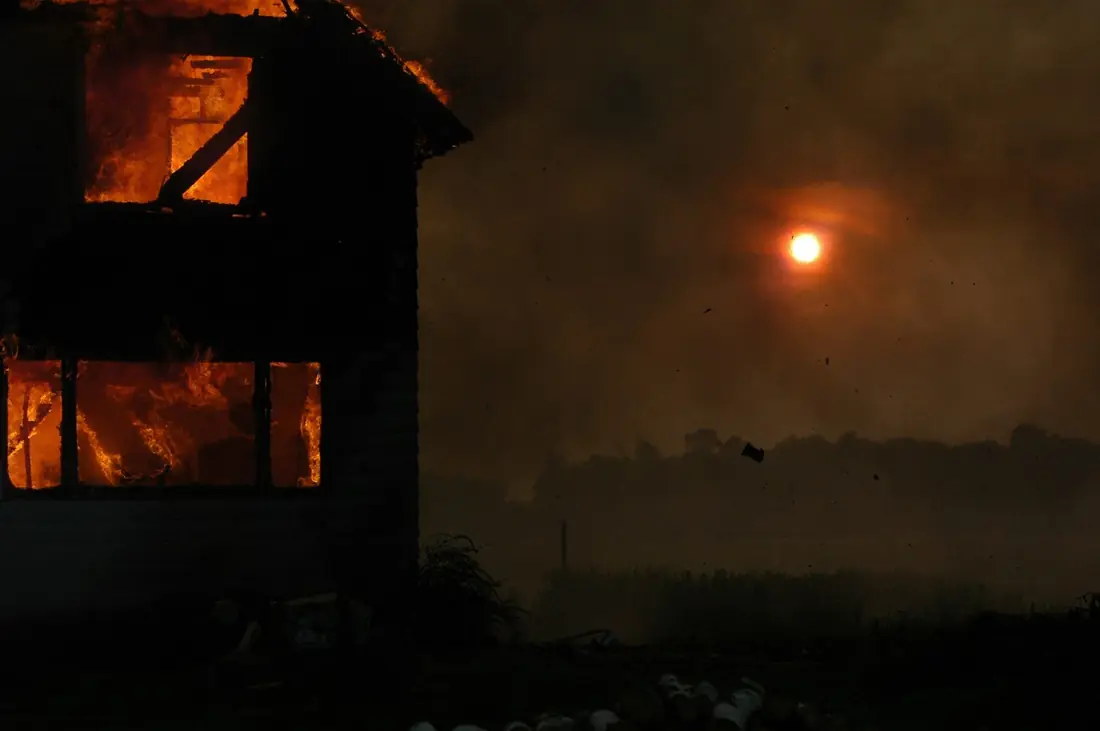
After a fire, the visible char is only part of the loss. Smoke, soot and odor travel through the whole home, water from firefighting adds its own damage, and the contents claim can be as large as the building claim.
The fire scene is only the beginning of the file
Once authorities have cleared access, the claim record should identify affected building areas, belongings and professional cleaning or repair recommendations. Smoke-related concerns may extend beyond visibly burned surfaces. We help connect the scope and supporting information while safety and qualified restoration assessment remain the priority.
What we focus on
Building and contents
Keep separate records for structural work and damaged belongings.
Smoke and cleaning scope
Save specialist findings and the reasons behind proposed cleaning or replacement.
Displacement records
Keep receipts and dates for temporary arrangements and additional expenses.
What fire and smoke damage really looks like
The damage you can see on day one is rarely the whole loss. These are the areas we most often find missing from fire and smoke claims when a file first reaches us.
Smoke migration
Smoke and soot travel through HVAC systems, wall cavities and attics, reaching rooms far from the fire.
Odor that returns
Odor can remain in insulation, framing and ductwork and return with heat and humidity if cleaning is not thorough.
Firefighting water
Water used to put out the fire can soak drywall, flooring and contents throughout the home.
Soot on surfaces and contents
Acidic soot can stain and corrode surfaces, electronics and belongings if not cleaned promptly and properly.
Code and structural items
Rebuilding may trigger code upgrades, and heat can weaken framing and wiring that looks intact.
Additional living expenses
Most fire losses make the home unlivable for a period. Loss of use costs need their own records.
Where insurer estimates commonly fall short
Most first estimates are prepared quickly and from limited information. Gaps are usually about scope, not arithmetic: what was left out, not how it was priced. These are general patterns, not a statement about any particular insurer or claim. In Florida, a preliminary or partial estimate must state that it may be revised as the insurer continues to evaluate the claim (s. 627.70131(6)(a)), so treat a first estimate as a starting point.
- Limiting cleaning to rooms near the fire instead of testing and addressing the whole home
- Leaving out HVAC and ductwork cleaning or replacement
- Pricing surface cleaning where sealing or replacement is reasonably needed
- Undervaluing or skipping categories of damaged contents
- Omitting code upgrades, permits and structural evaluation
The bedroom down the hall
Imagine a kitchen fire that is put out quickly. The estimate covers the kitchen and living room, but weeks later the family notices a smoky smell in the bedrooms whenever the air conditioning runs. Smoke that moved through the ductwork should be tested and documented as part of the claim, not discovered after it closes.
Your documentation checklist
You do not need a perfect file to call us. Start with what you have, keep adding to it and never throw damaged material away before it is photographed.
What to gather and keep
- The fire department report or incident number
- Photos and video of every room, including rooms with light smoke
- A room-by-room contents inventory with photos, ages and brands where possible
- Invoices for board-up, emergency cleaning and contents pack-out
- Hotel, rental, meal and mileage receipts
- Any environmental, smoke or soot testing reports
- Your declarations page, loss settlement and loss of use provisions
A typical fire and smoke claim timeline
- 1Day of the lossSafety and protection
Make the property safe, photograph the damage and make reasonable emergency repairs to prevent further damage. Keep every receipt.
- 2Before you call the insurerFree consultation
Call a licensed public adjuster first. We help you report the claim correctly and prepare for the recorded statement and inspection.
- 3PromptlyGive notice
Report the claim as soon as you reasonably can. In Florida, s. 627.70132 bars a new or reopened claim unless notice is given within 1 year after the date of loss, and a supplemental claim within 18 months.
- 4Within 7 daysAcknowledgment
Florida insurers generally must review and acknowledge a claim communication within 7 calendar days (s. 627.70131(1)(a)).
- 5Within 30 days of proof of lossInvestigation and inspection
The insurer generally must begin investigating within 7 days after receiving proof-of-loss statements and conduct any physical inspection within 30 days (s. 627.70131(3)). A copy of any detailed estimate must be sent within 7 days after it is generated.
- 6Within 60 days of noticePay or deny
The insurer generally must pay or deny the claim, or a portion of it, within 60 days after notice, with a written explanation, unless factors beyond its control prevent it (s. 627.70131(7)(a)).
Florida timelines apply to residential property claims and certain smaller commercial claims, and include exceptions and tolling (for example during mediation). In the other states where we are licensed, deadlines come from your policy and that state’s law and can be very different; we check them for your claim. General education, not legal advice.
Mistakes to avoid
These are the early missteps we see most often. Each one is easier to prevent than to fix, which is why a free consultation before you talk to your insurer matters.
- Letting a cleaning company discard contents before they are inventoried
- Giving a recorded statement before you have had time to take stock
- Assuming rooms with light smoke do not need to be included
- Signing a mitigation or contents contract you have not fully read
- Underestimating how long you will need temporary housing
How American Financial Claims helps
A public adjuster works for the policyholder, not the insurance company. Here is how a claim typically moves with us, from the first call.
- Free consultation. Call (239) 444-8101 or request a review. We listen, look at what you have and tell you honestly whether we see a path, including when we do not.
- Report it correctly. You still give your insurer prompt notice. We help you do it accurately and prepare you for the recorded statement and the insurer’s inspection.
- Inspect and document. If you retain us, we inspect the property, photograph and measure the damage and gather the records in the checklist above.
- Build the scope. We prepare a detailed estimate of what the repair actually requires and compare it line by line with the insurer’s.
- Present and follow through. We present the claim, answer requests, track deadlines and keep you updated until the claim is resolved.
We serve policyholders in the 15 states where we hold public adjuster licenses. See our licensing information. No outcome is guaranteed; every claim depends on the policy and the facts.
Real results on similar claims, shared with our clients’ permission, are shown further down this page. Past results do not guarantee or predict a similar outcome.
Related reading
Your next step after a fire
Start with the option that fits where you are. American Financial Claims offers a free consultation and represents policyholders in the 15 states where we hold public adjuster licenses.
No recovery, no fee. Every claim depends on the policy and the facts; past results do not guarantee a similar outcome.
A common question
Should I enter immediately to document damage?
Only after the responsible authorities say it is safe. Do not enter an unsafe structure to obtain claim evidence.
Related claim help
Help for the place you call home.
Claim support for homeowners and condo owners dealing with property damage.
Explore this page →Protect the property. Document the disruption.
Organized claim representation for business owners, property owners and associations.
Explore this page →Make the repair scope understandable.
A useful estimate explains the work, quantities and supporting evidence behind the claim.
Explore this page →Questions about this claim
When is it safe to enter after a fire?
Only enter after the responsible authorities and qualified professionals say it is safe. Do not risk injury to obtain claim evidence; use authorized photos, reports and inventories when the structure cannot be entered.
How should I document smoke and soot damage?
Photograph affected rooms and contents when safe, keep cleaning and emergency-service records, and note smoke odor or residue that may not show clearly in a picture. Do not clean or discard items before documenting them when practical.
What if the structure is safe but damage is hidden?
Smoke, heat, water used to extinguish the fire and odor can affect areas beyond the visibly burned portion. Keep fire department reports, contractor findings, contents inventories and photos so the full scope can be evaluated.
Should I discard damaged contents after a fire?
Avoid discarding items until they are photographed, inventoried and the evidence requirements are understood, unless safety or public-health concerns require removal. Keep receipts and records for necessary cleaning, storage or disposal.
Why call American Financial Claims before the insurer after a fire?
A public adjuster can help organize building, contents, smoke, water and temporary-living documentation before the first inspection or recorded statement. Call (239) 444-8101 for a free consultation; the policy and evidence determine the claim.
General information, not legal advice. Policies and state laws differ. Ask about your specific claim.
Real results on similar claims
Recoveries clients authorized us to share
Recoveries clients authorized us to share. Every insurance claim is different, and prior results do not guarantee a similar outcome. See all results →