
Less overlooked.
More clearly supported.
We work to connect the damage, repair scope and evidence so the claim reflects what can be documented. Your result depends on the policy and facts, not a sales promise.
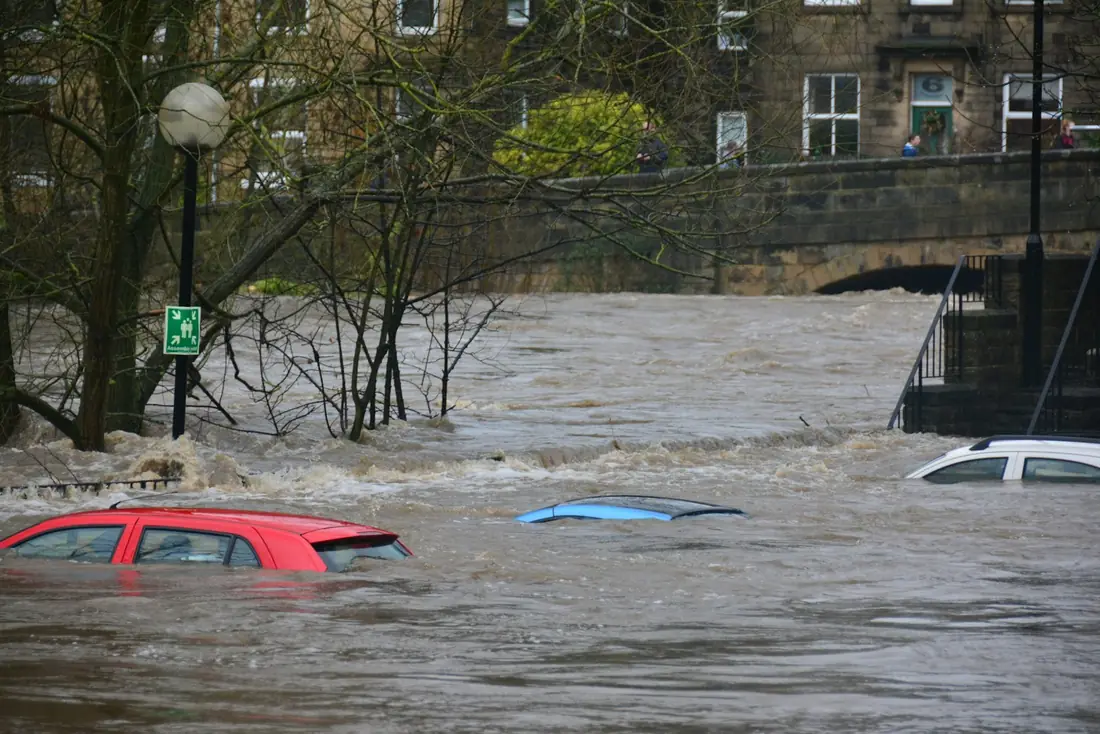
Flood claims work differently from most property claims. Flood is usually excluded from homeowners policies and covered, if at all, by a separate flood policy with its own forms, limits, deadlines and proof-of-loss rules.
Start with the flood policy
Rising-water losses need review under the applicable flood coverage. Record water levels, affected rooms and damaged belongings when it is safe, and keep cleanup records. The policy may have requirements different from a homeowners claim. Do not treat this page as a deadline or coverage determination.
What we focus on
Visible water levels
Photograph affected areas and water lines before they are removed during cleanup.
Contents inventory
Record item descriptions and available model or serial numbers.
Claim communications
Keep the flood adjuster’s information, requests and submitted materials together.
What flood damage really looks like
The damage you can see on day one is rarely the whole loss. These are the areas we most often find missing from flood claims when a file first reaches us.
Wicking above the waterline
Drywall and insulation draw water upward well above the visible flood line.
Subfloors and crawlspaces
Floodwater can saturate subfloors, crawlspaces and foundations where damage is not obvious.
Mechanical and electrical systems
Water heaters, HVAC equipment, ductwork and electrical panels can be damaged even when they still appear to work.
Contamination
Floodwater is often contaminated, which can change how materials and contents need to be cleaned or replaced.
Contents and basements
Many flood policies limit coverage for basements and certain contents. Knowing what is covered where matters.
Wind versus water
After a hurricane, wind damage and flood damage may fall under different policies. Documenting each separately matters.
Where insurer estimates commonly fall short
Most first estimates are prepared quickly and from limited information. Gaps are usually about scope, not arithmetic: what was left out, not how it was priced. These are general patterns, not a statement about any particular insurer or claim.
- Pricing drywall and insulation only up to the visible waterline
- Leaving out mechanical, electrical and HVAC components
- Missing contents that should be included under contents coverage
- Blurring wind and flood damage so neither policy fully addresses the loss
- Overlooking cleaning and sanitizing for contaminated water
Two policies, one storm
Imagine a coastal home where a hurricane tears off part of the roof and storm surge floods the first floor. The roof and rain damage may fall under the homeowners policy and the surge damage under the flood policy. Photographing and describing each separately from the start helps each policy address its part.
Your documentation checklist
You do not need a perfect file to call us. Start with what you have, keep adding to it and never throw damaged material away before it is photographed.
What to gather and keep
- Photos and video of the water level in every room, with a visible measurement
- Photos of damaged materials, equipment and contents before disposal
- Samples of flooring, carpet and drywall where practical
- Invoices for water removal, drying and cleaning
- Your flood policy declarations page and any homeowners policy
- Records of any separate wind damage, photographed separately
- A written list of every deadline and proof-of-loss requirement in your flood policy
A typical flood claim timeline
- 1Day of the lossSafety first
Leave if it is unsafe, photograph the water level and damage, and take reasonable steps to prevent further damage. Keep every receipt.
- 2Before you call the insurerFree consultation
Call a licensed public adjuster first so the claim is reported correctly and wind and flood damage are separated from the start.
- 3PromptlyNotify the flood insurer
Give notice as soon as you reasonably can. Flood policies, including those under the National Flood Insurance Program, set their own reporting rules.
- 4After noticeAdjuster inspection
The flood adjuster inspects. Point out every affected area, including mechanical systems and contents.
- 5By the policy deadlineProof of loss
Flood policies commonly require a signed proof of loss within a set period. Read yours and calendar the date.
- 6After reviewPayment or decision
The insurer pays, requests more information or explains what it will not pay, under the policy’s terms.
Flood claims follow the flood policy’s own terms and, for National Flood Insurance Program policies, federal rules. Deadlines vary; read your policy. This is general education, not legal advice.
Mistakes to avoid
These are the early missteps we see most often. Each one is easier to prevent than to fix, which is why a free consultation before you talk to your insurer matters.
- Assuming your homeowners policy covers flood
- Missing the flood policy’s proof-of-loss deadline
- Throwing away contents before they are photographed and listed
- Mixing wind and flood damage in one description
- Accepting a scope that stops at the waterline
How American Financial Claims helps
A public adjuster works for the policyholder, not the insurance company. Here is how a claim typically moves with us, from the first call.
- Free consultation. Call (239) 444-8101 or request a review. We listen, look at what you have and tell you honestly whether we see a path, including when we do not.
- Report it correctly. You still give your insurer prompt notice. We help you do it accurately and prepare you for the recorded statement and the insurer’s inspection.
- Inspect and document. If you retain us, we inspect the property, photograph and measure the damage and gather the records in the checklist above.
- Build the scope. We prepare a detailed estimate of what the repair actually requires and compare it line by line with the insurer’s.
- Present and follow through. We present the claim, answer requests, track deadlines and keep you updated until the claim is resolved.
We serve policyholders in the 15 states where we hold public adjuster licenses. See our licensing information. No outcome is guaranteed; every claim depends on the policy and the facts.
You can read documented examples of our work on our results page. Past results do not guarantee or predict a similar outcome.
Related reading
A common question
Where can I find official NFIP guidance?
FEMA’s FloodSmart site explains the NFIP claim process. Use the source link below and confirm your policy’s requirements directly.
Related claim help
Hurricane damage claims
Separate the storm’s effects and document the full property loss.
Explore this page →Water damage claims
Track the source, the affected materials and the work performed to protect the property.
Explore this page →Know what is in your claim file.
Bring the policy, correspondence and estimates together for a focused review.
Explore this page →Official resource: FEMA FloodSmart: starting a flood claim.
Flood claim FAQ
Is flood covered under my homeowners policy?
Generally not. Standard homeowners policies exclude flood. Flood damage is usually covered by a separate policy, such as the National Flood Insurance Program (NFIP) or a private flood policy.
What is a proof of loss, and is there a deadline?
A proof of loss is a signed, sworn statement of what you are claiming. Under the standard NFIP policy it is generally due within 60 days of the loss unless FEMA extends it. Private flood policies set their own terms, so check yours.
What does flood insurance usually not cover?
NFIP policies limit coverage in basements and for certain contents, and generally do not cover additional living expenses. Private policies vary.
What if my property has both wind and flood damage?
Then two policies may be involved, and the damage has to be separated carefully. Documenting water lines, wind damage and timing for each area helps avoid gaps between the two.
What should I document after a flood?
The high-water line in each room, photos and video before cleanup, damaged items (with samples of flooring or drywall), and receipts for cleanup and drying.
Can you promise a settlement amount or a timeline?
No. Every outcome depends on the policy, the facts of the loss, the documentation and the carrier’s position. We explain what we see and what is still open, without promising an amount or a date. The review is free.
General information, not legal advice. Policies and state laws differ. Ask about your specific claim.