Storm claims
The hurricane claim documentation checklist: what to capture before evidence fades
After a storm, tarps get tossed, debris gets hauled and dates blur. This checklist helps you build a record that connects what the wind and water did outside to the damage inside.

By Armando Ferrer, Licensed Public Adjuster
American Financial Claims · Florida firm license G288962
Published · Updated 6 min read
In this article (6 sections)
The days after a hurricane are chaotic. Power may be out, roads may be blocked, and your first priority is keeping your family safe and your home dry. Paperwork feels like the last thing that matters.
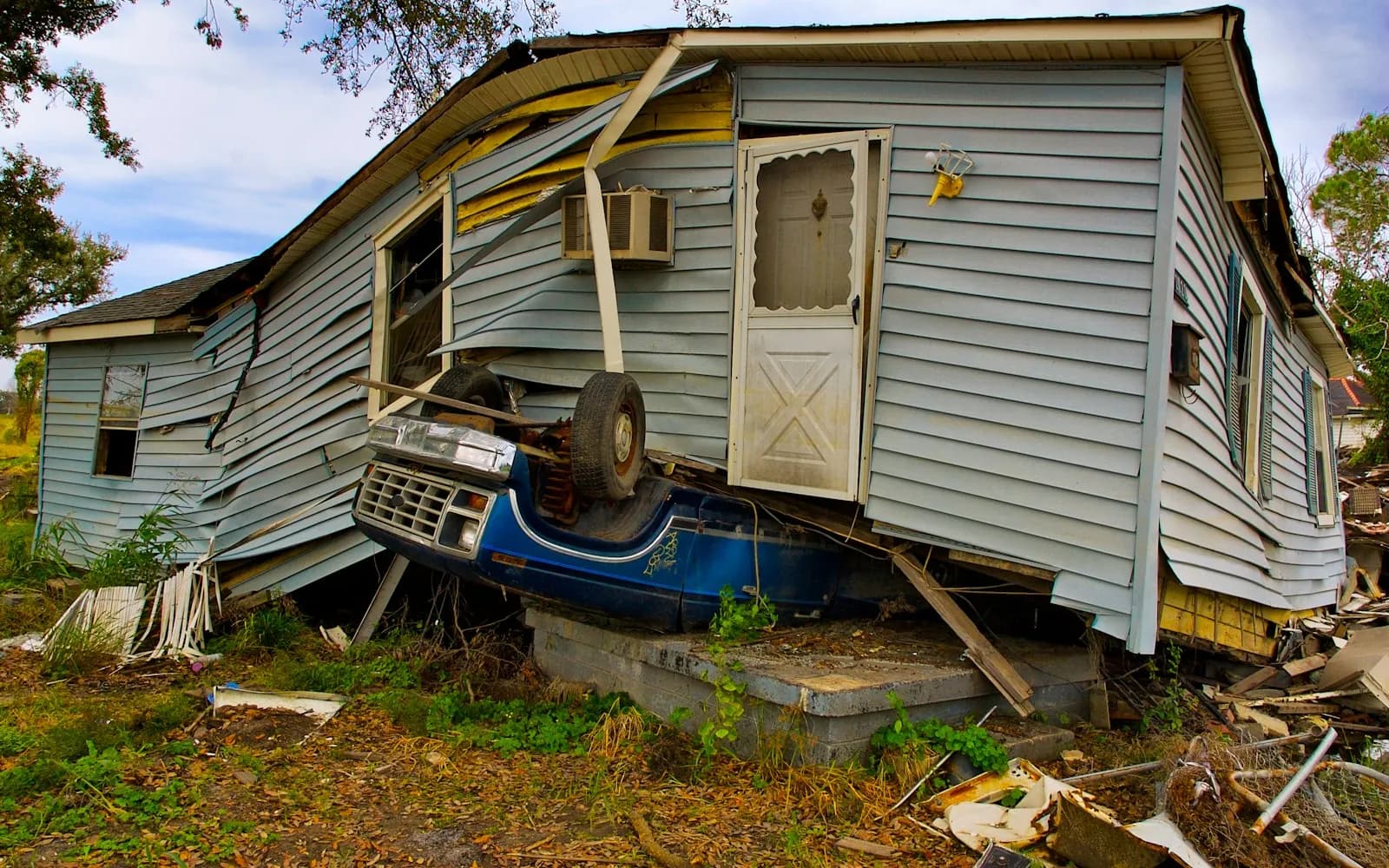
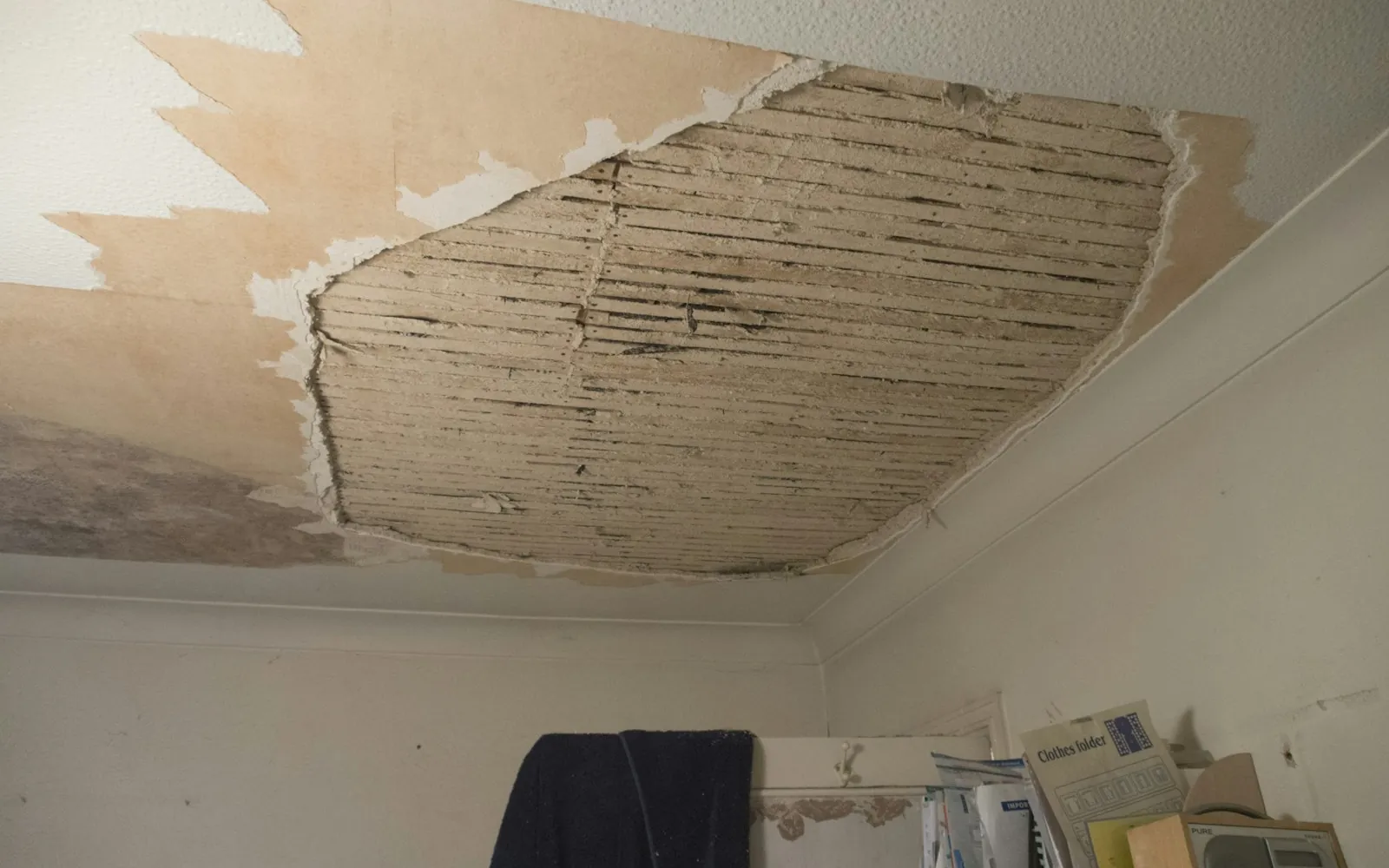
Yet the record you build in the first days and weeks often shapes the whole claim. Storm damage changes quickly: a small roof opening lets in water that stains ceilings and soaks insulation over the following days, and temporary repairs cover up what the storm originally did. Once debris is hauled away, the evidence goes with it.
Use this checklist as a practical starting point. It is general education, not legal advice. Your policy, your state’s rules and your specific damage determine what applies to you.
Before the first call to your insurer, call a public adjuster
After a storm, insurers are flooded with claims and your first conversations set the tone. A free consultation with a licensed public adjuster before the recorded statement, the insurer’s inspection or any cleanup helps you report the claim promptly and correctly, avoid a lowball first estimate and keep the evidence that ties interior damage to the storm.
Mistakes a public adjuster helps you avoid
- Describing the damage from memory in a recorded statement before it has been fully inspected
- Letting tarped or hidden damage go unmentioned at the insurer’s inspection
- Discarding damaged materials before they are documented
- Accepting a first payment without checking what it leaves out
Safety first, then protect the property
No photo is worth an injury. Stay off damaged roofs, away from downed lines and out of rooms with sagging ceilings or standing water near electrical outlets. Follow official guidance before returning to an evacuated area.
Most policies expect you to take reasonable steps to prevent further damage once it is safe. That usually means tarping openings, boarding broken windows and starting water removal. Document before and after each step.
Emergency protection checklist
- Photograph the damage before any tarp, board or cleanup goes on
- Keep every receipt for tarps, plywood, fans, dehumidifiers and emergency labor
- Get written invoices from any contractor or drying company, with dates
- Photograph the temporary repairs once they are installed
- Save a sample of damaged materials if it is safe and practical, or photograph them before disposal
Document the outside: roof, openings and grounds
Hurricane claims often turn on how water got in. Showing the openings the storm created helps connect interior damage to the event.
Roof and building envelope
- Wide shots of every side of the house, then close-ups of damage
- Missing, lifted or creased shingles or tiles, visible from the ground or by a qualified roofer
- Damaged flashing, vents, soffits, fascia and gutters
- Broken windows, doors, garage doors and screen enclosures
- Siding, stucco cracks and any openings in the walls
Grounds and other structures
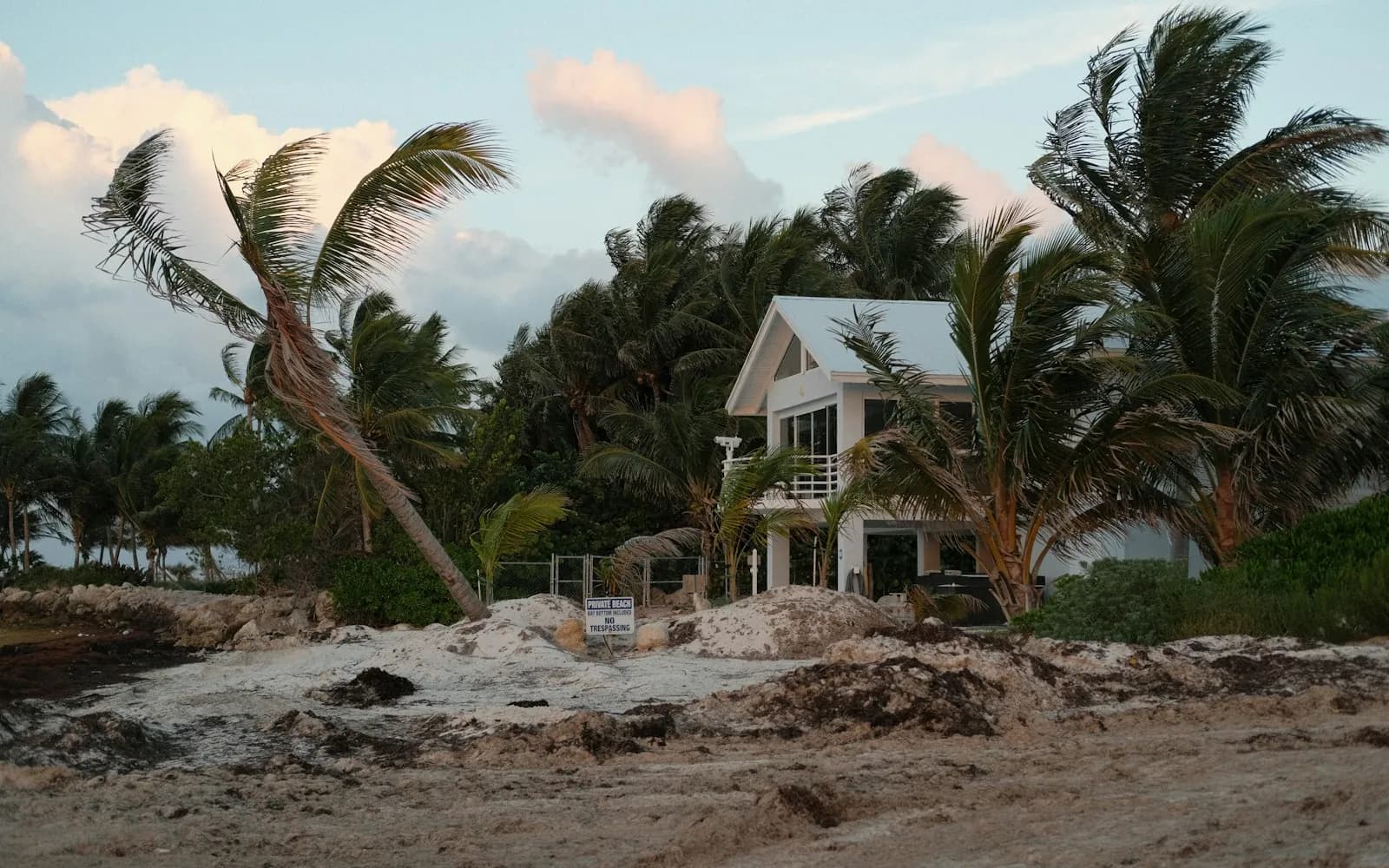
Photograph fallen trees and where they landed, fences, sheds, pool enclosures and detached garages. Many policies treat other structures under a separate coverage limit, so document them separately.
For more on this, see our pages on hurricane damage, wind damage and roof damage claims.
Trace the water path inside
Interior damage from a storm tends to follow a path: a roof opening, then attic insulation, then ceiling stains, then walls and floors below. Photographing that path in order tells a clearer story than scattered photos.
- Start in the attic if it is safe to enter, and photograph wet insulation and decking from below.
- Move to the ceilings directly beneath, then the walls, then the floors.
- Photograph every affected room, including closets and hallways, with a wide shot first.
- Record moisture readings if a drying company takes them, and ask for a copy.
- Note when each room became unusable and what you did with the contents.
Contents, living expenses and the paper trail
Personal property and additional living expenses are often the most under-documented parts of a storm claim, simply because families are busy surviving.
Keep a running record of
- Damaged contents, room by room, with photos before disposal
- Brand, model and approximate age of major items where you can find it
- Hotel, rental, meal and mileage costs if you cannot live at home, if your policy includes this coverage
- Every contact with the insurer: date, name, what was said
- Your claim number, adjuster’s name and adjuster license number
Our guides on organizing a claim file and photographing property damage go deeper on each of these.
“Documentation does not guarantee payment, but missing documentation almost always slows the claim down.”
Deadlines, deductibles and inspections
Report the claim as your policy requires, as soon as you reasonably can. In Florida, section 627.70132 of the Florida Statutes bars a new property claim unless notice is given within one year after the date of loss, and a supplemental claim unless notice is given within 18 months. Other states and policies set their own limits, so check the conditions section of your policy.
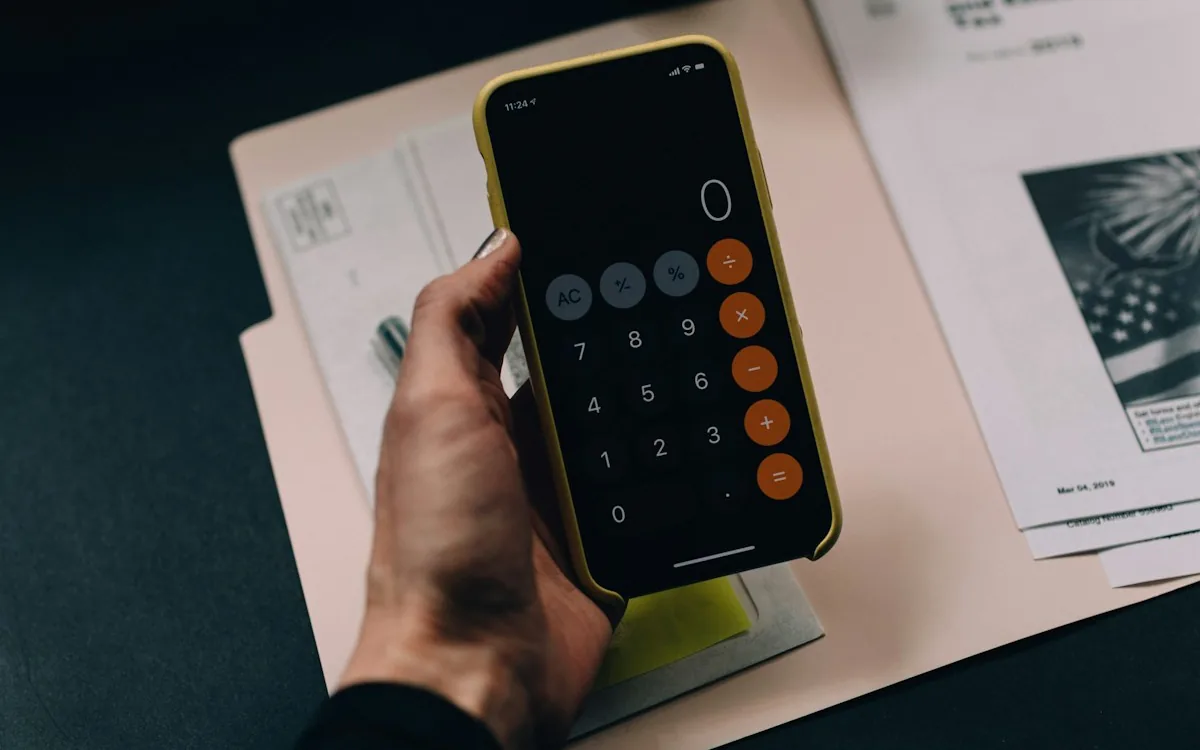
Many coastal policies carry a separate hurricane deductible, often expressed as a percentage of the dwelling limit. Look for it on your declarations page so the payment math does not surprise you.
Florida law also sets insurer timelines. Under section 627.70131, an insurer that physically inspects the property must do so within 30 days after receiving proof-of-loss statements, the assigned adjuster must give you their name and state license number, and the insurer generally must pay or deny the claim, or a portion of it, within 60 days after receiving notice, unless factors beyond its control reasonably prevent it. After a major storm, keep track of those dates in your timeline.
Be there for the inspection
If you can, attend the insurer’s inspection, walk the adjuster through your photo record in order, and take your own notes on what was and was not inspected.
Frequently asked questions
What should I photograph first after a hurricane?
Once it is safe, start with wide shots of every side of the house and the roof as seen from the ground, then close-ups of openings, then the interior water path from the attic down. Photograph before tarping or cleanup whenever you can.
Should I make repairs before the adjuster comes?
Most policies expect reasonable temporary repairs to prevent further damage, such as tarping and water removal. Document the damage first and keep receipts. Permanent repairs are a different decision; check your policy and talk with your insurer or a licensed professional.
How long do I have to file a hurricane claim in Florida?
Under section 627.70132 of the Florida Statutes, a new or reopened property claim is barred unless notice is given within one year after the date of loss, and a supplemental claim within 18 months. Report as soon as you reasonably can.
Can a public adjuster help with a hurricane claim?
Yes. A licensed public adjuster can document storm damage, prepare an estimate and present the claim on your behalf. Florida law regulates public adjuster contracts and fees, and every term is set out in a written contract.
Free claim review
Want a second set of eyes on your claim?
Send us the letter, the estimate or just a description of what happened. A licensed public adjuster will review it at no cost and tell you plainly what we see, including when we don’t see a path. No recovery, no fee.
Prefer to read first? Get the free digital edition of Armando’s book, The Insurance Game: And How To Win It. Schedule a free consult Public adjuster services Read chapter guides.

Armando Ferrer
Licensed Public Adjuster · American Financial Claims · Florida firm license G288962
Armando leads public adjusting work at American Financial Claims, a public adjusting firm based in Brickell, Miami. Armando Ferrer is individually licensed in 15 states; the firm entity license is Florida only (G288962). He is the author of The Insurance Game: And How To Win It. Consultations in English and Spanish. More about Armando.
Educational information only, not legal advice. Scenarios in this article are general illustrations, not real cases or clients. Coverage, deadlines and outcomes depend on your policy, your state and your facts, and no result is guaranteed. Statute references are to the Florida Statutes as published by the Florida Legislature; other states’ rules differ. American Financial Claims is a public adjusting firm, not a law firm.