
Less overlooked.
More clearly supported.
We work to connect the damage, repair scope and evidence so the claim reflects what can be documented. Your result depends on the policy and facts, not a sales promise.
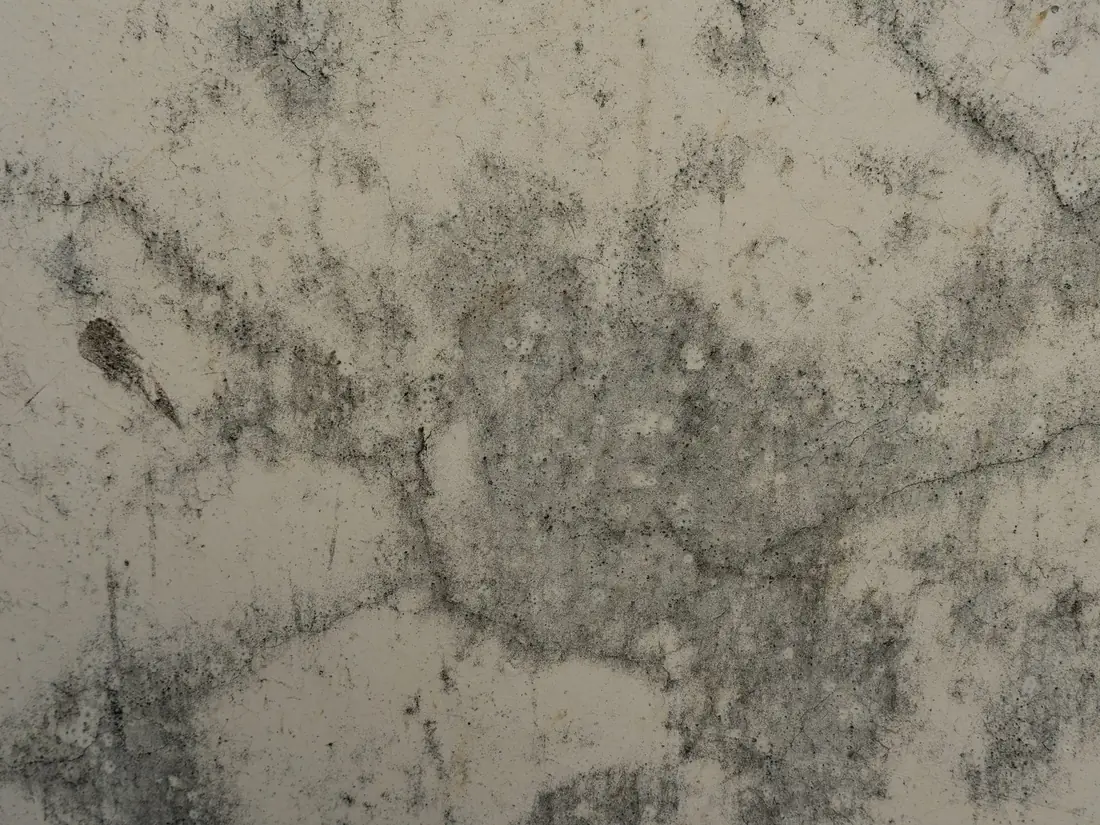
Mold is usually the end of a story that started with water. Whether a mold claim is covered, and how much, often depends on that earlier event: what caused the moisture, when it started and what was done about it.
The moisture history matters
For a mold-related review, gather the underlying water-loss information along with assessment and remediation records. Public adjusting addresses the insurance claim; it does not replace a qualified assessment or remediation professional. The policy and specific circumstances determine what can be considered in the claim.
What we focus on
Underlying event
Connect the reported moisture problem with dates and prior repair records.
Assessment documentation
Keep reports, laboratory results where available and professional recommendations.
Remediation scope
Organize containment, removal, cleaning and rebuilding proposals separately.
What mold-related damage really looks like
The damage you can see on day one is rarely the whole loss. These are the areas we most often find missing from mold-related claims when a file first reaches us.
The original water event
A leak, storm opening or appliance failure is often the covered event that mold coverage depends on. Document it as carefully as the mold.
Growth inside walls and under floors
Visible spots on a wall can be the edge of wider growth in cavities, insulation and subflooring.
HVAC contamination
Air handlers and ducts can spread spores and odors through the home.
Contents and porous materials
Upholstery, mattresses, clothing and carpet can absorb spores and odor and may not be cleanable.
Assessment and clearance testing
Professional assessment before remediation and clearance testing after it help define the scope and show the work was done.
Timeline questions
Insurers often ask how long moisture was present. Dated records of when you noticed the problem and acted help answer that.
Where insurer estimates commonly fall short
Most first estimates are prepared quickly and from limited information. Gaps are usually about scope, not arithmetic: what was left out, not how it was priced. These are general patterns, not a statement about any particular insurer or claim. In Florida, a preliminary or partial estimate must state that it may be revised as the insurer continues to evaluate the claim (s. 627.70131(6)(a)), so treat a first estimate as a starting point.
- Treating the loss as mold only, without addressing the covered water event behind it
- Applying a mold sublimit to repairs that belong to the water damage itself
- Leaving out containment, air scrubbing, HVAC cleaning or clearance testing
- Omitting rebuild costs after remediation removes materials
- Calling the moisture long-term without explaining the basis
The spot behind the dresser
Picture a homeowner who moves a dresser and finds dark growth on the wall. They clean it with bleach and repaint. Months later it returns, and the leak behind it is found. Photos of the first discovery and an assessment at the time would have made it easier to connect the mold to the leak.
Your documentation checklist
You do not need a perfect file to call us. Start with what you have, keep adding to it and never throw damaged material away before it is photographed.
What to gather and keep
- Records of the water event: plumber findings, storm date, leak photos
- Dated photos of visible growth and staining
- Any mold assessment or air-quality report, and the remediation protocol
- Remediation invoices and clearance test results
- Moisture readings and drying logs
- A list of affected contents, with photos before disposal
- Your policy’s mold, fungi and water provisions, including any sublimit
A typical mold-related claim timeline
- 1Day of the lossSafety and protection
Make the property safe, photograph the damage and make reasonable emergency repairs to prevent further damage. Keep every receipt.
- 2Before you call the insurerFree consultation
Call a licensed public adjuster first. We help you report the claim correctly and prepare for the recorded statement and inspection.
- 3PromptlyGive notice
Report the claim as soon as you reasonably can. In Florida, s. 627.70132 bars a new or reopened claim unless notice is given within 1 year after the date of loss, and a supplemental claim within 18 months.
- 4Within 7 daysAcknowledgment
Florida insurers generally must review and acknowledge a claim communication within 7 calendar days (s. 627.70131(1)(a)).
- 5Within 30 days of proof of lossInvestigation and inspection
The insurer generally must begin investigating within 7 days after receiving proof-of-loss statements and conduct any physical inspection within 30 days (s. 627.70131(3)). A copy of any detailed estimate must be sent within 7 days after it is generated.
- 6Within 60 days of noticePay or deny
The insurer generally must pay or deny the claim, or a portion of it, within 60 days after notice, with a written explanation, unless factors beyond its control prevent it (s. 627.70131(7)(a)).
Florida timelines apply to residential property claims and certain smaller commercial claims, and include exceptions and tolling (for example during mediation). In the other states where we are licensed, deadlines come from your policy and that state’s law and can be very different; we check them for your claim. General education, not legal advice.
Mistakes to avoid
These are the early missteps we see most often. Each one is easier to prevent than to fix, which is why a free consultation before you talk to your insurer matters.
- Painting over or cleaning visible mold before it is documented
- Describing the problem as long-standing in a recorded statement without knowing the facts
- Starting remediation without an assessment or written protocol
- Forgetting that rebuild work after remediation is part of the loss
- Waiting while the moisture source continues
How American Financial Claims helps
A public adjuster works for the policyholder, not the insurance company. Here is how a claim typically moves with us, from the first call.
- Free consultation. Call (239) 444-8101 or request a review. We listen, look at what you have and tell you honestly whether we see a path, including when we do not.
- Report it correctly. You still give your insurer prompt notice. We help you do it accurately and prepare you for the recorded statement and the insurer’s inspection.
- Inspect and document. If you retain us, we inspect the property, photograph and measure the damage and gather the records in the checklist above.
- Build the scope. We prepare a detailed estimate of what the repair actually requires and compare it line by line with the insurer’s.
- Present and follow through. We present the claim, answer requests, track deadlines and keep you updated until the claim is resolved.
We serve policyholders in the 15 states where we hold public adjuster licenses. See our licensing information. No outcome is guaranteed; every claim depends on the policy and the facts.
You can read documented examples of our work on our results page. Past results do not guarantee or predict a similar outcome.
Related reading
A common question
Can you diagnose mold from a photo?
No. A photo can document a visible condition, but assessment and remediation decisions belong with appropriately qualified professionals.
Related claim help
Water damage claims
Track the source, the affected materials and the work performed to protect the property.
Explore this page →Plumbing damage claims
Keep the pipe or fixture failure and the resulting property damage clearly documented.
Explore this page →Know what is in your claim file.
Bring the policy, correspondence and estimates together for a focused review.
Explore this page →Free claim review
Talk through the loss, documents and next steps before deciding what to do.
Start your review →What a public adjuster does
Learn how a policyholder advocate can help organize and present a property claim.
Learn more →Mold-related claim FAQ
Does homeowners insurance cover mold?
Often only in limited ways. Many policies exclude mold unless it results from a covered loss (like a sudden pipe burst), and many cap mold remediation with a sublimit. Read the mold endorsement or exclusion in your policy.
What caused the mold matters — why?
Coverage usually follows the cause. Mold from a covered sudden water event may be treated differently from mold caused by long-term humidity, seepage or maintenance issues.
Should I get mold testing before filing?
Testing and a professional assessment can document the extent and source. Safety comes first. Avoid disturbing large growth yourself. Keep all reports and invoices.
What should I do right away if I find mold?
Stop the moisture source if possible, notify your carrier, photograph the area and avoid spreading spores. Keep records of when you discovered it.
Can a public adjuster diagnose mold?
No. We are not mold assessors or remediators. We help document the loss, review the policy and coordinate the claim, relying on qualified professionals for testing and remediation scope.
Can you promise a settlement amount or a timeline?
No. Every outcome depends on the policy, the facts of the loss, the documentation and the carrier’s position. We explain what we see and what is still open, without promising an amount or a date. The review is free.
General information, not legal advice. Policies and state laws differ. Ask about your specific claim.