
Less overlooked.
More clearly supported.
We work to connect the damage, repair scope and evidence so the claim reflects what can be documented. Your result depends on the policy and facts, not a sales promise.
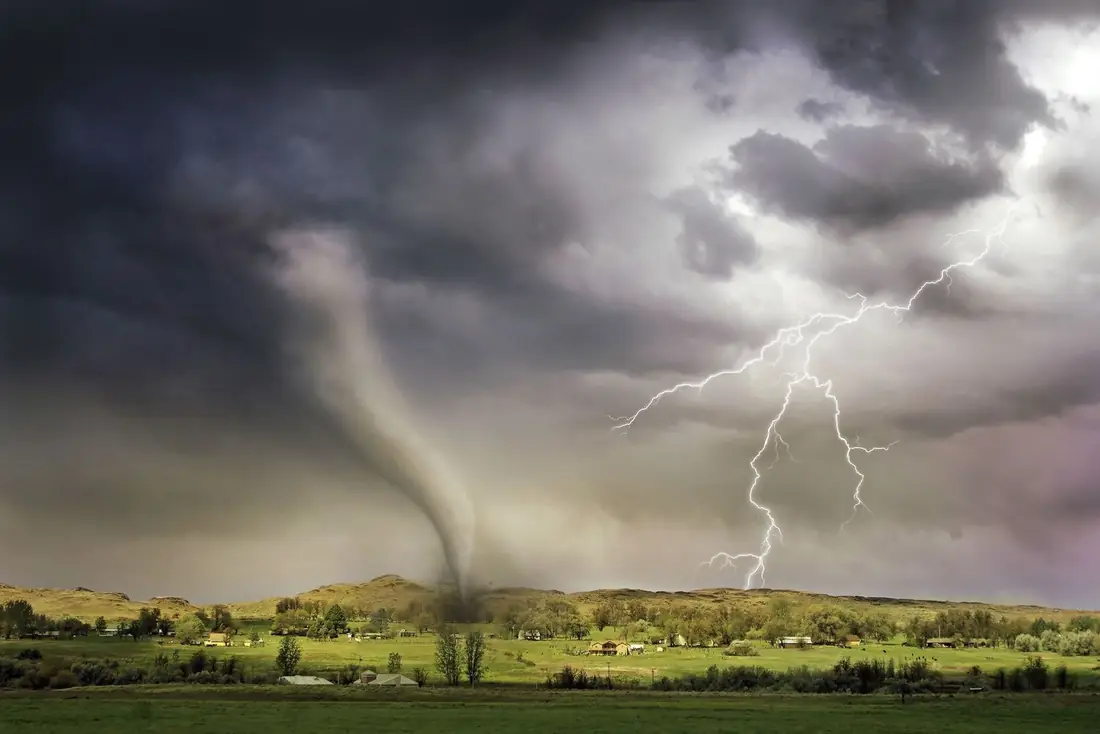
Wind damage is rarely confined to one spot. A single storm can lift shingles, bend flashing, crack siding, break windows and push rain into places no one sees for weeks. A strong wind claim connects all of it to the same event.
Connect the damage across the property
Missing or displaced materials are only part of the inspection. A wind-loss review considers affected roof areas, openings, exterior components and interior symptoms together. Prior condition and repair records can help explain which issues were present before the reported event.
What we focus on
Roof and openings
Photograph visible conditions from a safe location; leave roof access to qualified professionals.
Exterior components
Include attached structures and damaged exterior finishes in the record.
Interior symptoms
Record stains, wet finishes and when they first appeared.
What wind damage really looks like
The damage you can see on day one is rarely the whole loss. These are the areas we most often find missing from wind claims when a file first reaches us.
Lifted and creased shingles
Shingles that were lifted and reseated can look normal from the ground while their seal is broken, which lets water in during the next rain.
Siding, soffit and fascia
Wind pulls at edges first. Loose soffit panels, cracked siding and bent fascia are easy to miss and can let water and pests in.
Windows, doors and screens
Frames can be racked out of square, seals broken and screen enclosures bent even when glass survives.
Wind-driven rain
Rain forced through openings the wind created can soak wall cavities and insulation. Whether it is covered depends on how it got in and on your policy wording.
Fallen trees and debris
Trees and flying debris can damage roofs, fences and other structures. Debris removal may have its own limits in your policy.
Damage that shows up later
Leaks, stains and loose materials often become visible days or weeks after the storm, after the first inspection.
Where insurer estimates commonly fall short
Most first estimates are prepared quickly and from limited information. Gaps are usually about scope, not arithmetic: what was left out, not how it was priced. These are general patterns, not a statement about any particular insurer or claim. In Florida, a preliminary or partial estimate must state that it may be revised as the insurer continues to evaluate the claim (s. 627.70131(6)(a)), so treat a first estimate as a starting point.
- Repairing a small section of roof or siding that cannot reasonably match the rest
- Leaving out interior water damage caused by the wind-created opening
- Omitting other structures such as fences and screen enclosures
- Missing detach-and-reset work for gutters, fixtures and trim
- Attributing wind damage to wear and tear without explaining the basis
The fence nobody listed
Imagine a homeowner whose roof damage is inspected and paid after a windstorm. Weeks later they notice the back fence leaning and the screen enclosure torn. Both fall under other structures coverage and could have been documented at the first inspection if someone had walked the whole property.
Your documentation checklist
You do not need a perfect file to call us. Start with what you have, keep adding to it and never throw damaged material away before it is photographed.
What to gather and keep
- Photos of every elevation and the roof from the ground, before temporary repairs
- Close-ups of lifted shingles, bent flashing, cracked siding and broken seals, taken safely
- Photos of fallen trees and debris, and where they landed
- Weather information for the date of the storm
- Receipts for tarps, board-up, tree removal and emergency labor
- A roofer’s or contractor’s written findings
- Your declarations page, including any wind or hurricane deductible
A typical wind claim timeline
- 1Day of the lossSafety and protection
Make the property safe, photograph the damage and make reasonable emergency repairs to prevent further damage. Keep every receipt.
- 2Before you call the insurerFree consultation
Call a licensed public adjuster first. We help you report the claim correctly and prepare for the recorded statement and inspection.
- 3PromptlyGive notice
Report the claim as soon as you reasonably can. In Florida, s. 627.70132 bars a new or reopened claim unless notice is given within 1 year after the date of loss, and a supplemental claim within 18 months.
- 4Within 7 daysAcknowledgment
Florida insurers generally must review and acknowledge a claim communication within 7 calendar days (s. 627.70131(1)(a)).
- 5Within 30 days of proof of lossInvestigation and inspection
The insurer generally must begin investigating within 7 days after receiving proof-of-loss statements and conduct any physical inspection within 30 days (s. 627.70131(3)). A copy of any detailed estimate must be sent within 7 days after it is generated.
- 6Within 60 days of noticePay or deny
The insurer generally must pay or deny the claim, or a portion of it, within 60 days after notice, with a written explanation, unless factors beyond its control prevent it (s. 627.70131(7)(a)).
Florida timelines apply to residential property claims and certain smaller commercial claims, and include exceptions and tolling (for example during mediation). In the other states where we are licensed, deadlines come from your policy and that state’s law and can be very different; we check them for your claim. General education, not legal advice.
Mistakes to avoid
These are the early missteps we see most often. Each one is easier to prevent than to fix, which is why a free consultation before you talk to your insurer matters.
- Assuming there is no claim because the roof looks fine from the driveway
- Giving a recorded statement before the whole property has been checked
- Having debris hauled away before it is photographed
- Accepting a partial repair that leaves a visible, mismatched patch
- Waiting past the deadline for hidden damage that appears later
How American Financial Claims helps
A public adjuster works for the policyholder, not the insurance company. Here is how a claim typically moves with us, from the first call.
- Free consultation. Call (239) 444-8101 or request a review. We listen, look at what you have and tell you honestly whether we see a path, including when we do not.
- Report it correctly. You still give your insurer prompt notice. We help you do it accurately and prepare you for the recorded statement and the insurer’s inspection.
- Inspect and document. If you retain us, we inspect the property, photograph and measure the damage and gather the records in the checklist above.
- Build the scope. We prepare a detailed estimate of what the repair actually requires and compare it line by line with the insurer’s.
- Present and follow through. We present the claim, answer requests, track deadlines and keep you updated until the claim is resolved.
We serve policyholders in the 15 states where we hold public adjuster licenses. See our licensing information. No outcome is guaranteed; every claim depends on the policy and the facts.
Real results on similar claims, shared with our clients’ permission, are shown further down this page. Past results do not guarantee or predict a similar outcome.
Related reading
A common question
Should I climb onto the roof for photos?
No. Start with safe ground-level views and arrange an appropriate inspection.
Wind damage that starts on the roof
Wind claims often begin with lifted, creased, or missing shingles and show up later inside the house. Flashing at walls, chimneys, and valleys is where a lot of the water gets in. A scope that replaces a few tabs and ignores the lifted field, the drip edge, or a wet deck is a common place the file goes short.
Photograph what you can safely see from the ground, and leave the roof to people equipped to be up there. American Financial Claims connects roof observations to openings and interior staining when the evidence supports one event. Call (239) 444-8101 before a recorded statement. The claim review is free.
Matching, decking, and how roof estimates fall short are on our roof claims page. For a windstorm file a client allowed us to describe, see Pam in Punta Gorda.
Related claim help
Roof damage claims
Build the connection between the damaged roof, the proposed work and any interior effects.
Explore this page →Hurricane damage claims
Separate the storm’s effects and document the full property loss.
Explore this page →Make the repair scope understandable.
A useful estimate explains the work, quantities and supporting evidence behind the claim.
Explore this page →Questions about this claim
What wind damage can be missed from the ground?
Creased shingles, lifted edges, displaced flashing, damaged soffits and openings can be difficult to see from a driveway. Use safe photos and arrange an appropriate inspection instead of climbing onto the roof.
How do I document wind-driven rain?
Record the exterior opening or roof condition, the interior path of water and when each condition was discovered. Keep emergency invoices and dated photos so the relationship between the opening and interior damage can be evaluated.
What if the roof is old when wind damage occurs?
Age alone does not answer whether a loss is covered. The review should consider the policy, pre-loss condition, weather event, observed damage and reasonable repair scope; American Financial Claims can discuss those records in a free consultation.
Should I make emergency repairs before the adjuster arrives?
Take photos first when safe, then make reasonable temporary repairs to prevent further damage. Keep receipts, contractor notes and removed materials when practical, and notify the insurer promptly as required by the policy.
Why call American Financial Claims before the wind inspection?
A public adjuster can help you prepare a complete damage record and point out areas that may not be obvious during a quick inspection. Call (239) 444-8101 for a free consultation before you speak with the insurer when possible.
General information, not legal advice. Policies and state laws differ. Ask about your specific claim.
Real results on similar claims
Recoveries clients authorized us to share
Recoveries clients authorized us to share. Every insurance claim is different, and prior results do not guarantee a similar outcome. See all results →