
Less overlooked.
More clearly supported.
We work to connect the damage, repair scope and evidence so the claim reflects what can be documented. Your result depends on the policy and facts, not a sales promise.
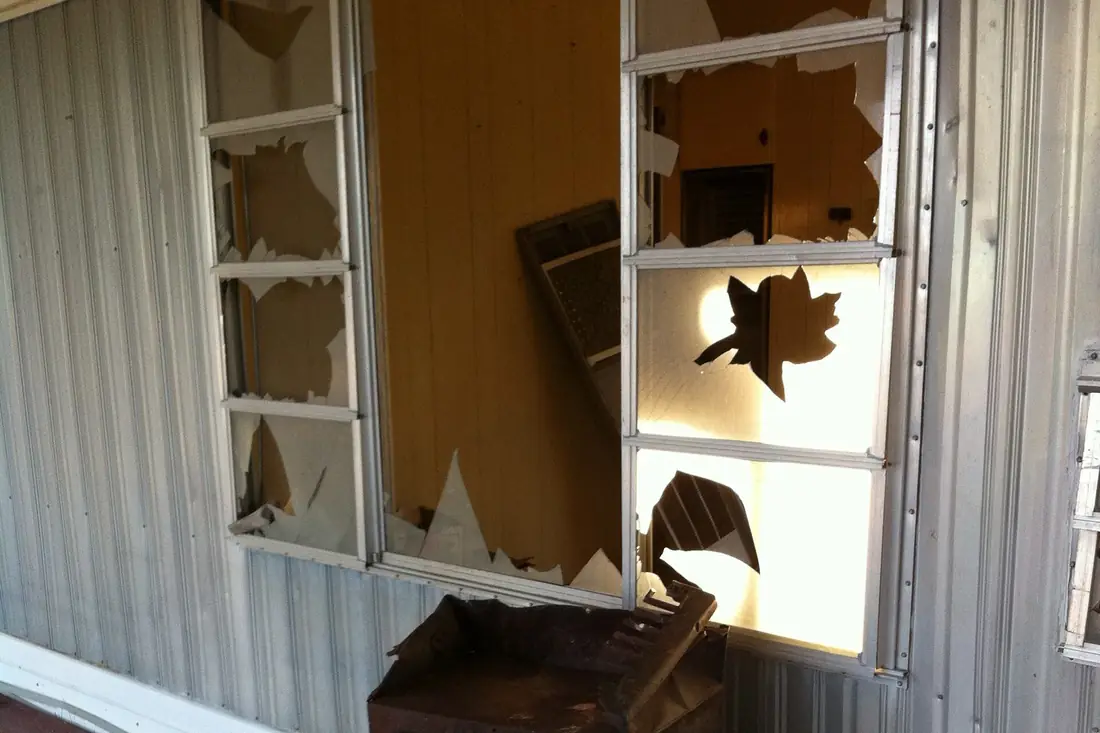
Theft and vandalism claims turn on two things: showing the loss happened and showing what was lost. A prompt police report, a secure property and a careful inventory do most of the work.
A clear inventory supports the review
After addressing safety and reporting the incident as appropriate, preserve the available evidence. A claim file may include damage to the building as well as missing or damaged belongings. Item descriptions, photographs and purchase information help explain what is being claimed without relying solely on a total value.
What we focus on
Incident information
Keep the report number and records relevant to the event.
Ownership evidence
Gather receipts, earlier photos and identifying information for affected items.
Building repairs
Document entry-point and other physical damage before it is repaired.
What theft and vandalism damage really looks like
The damage you can see on day one is rarely the whole loss. These are the areas we most often find missing from theft and vandalism claims when a file first reaches us.
Entry damage
Broken doors, frames, locks and windows are part of the claim, along with what was taken.
Items you forget
Stored items, tools, seasonal belongings and things in closets or garages are often missed in the first list.
Vandalism beyond the obvious
Graffiti, broken fixtures and damaged finishes may affect larger areas than they first appear to.
Water or fire from vandalism
Vandals can open valves or start fires, causing damage well beyond the break-in itself.
Special limits
Many policies cap theft of jewelry, firearms, cash and collectibles unless they are scheduled.
Vacancy provisions
Some policies restrict coverage for vandalism if a home has been vacant for a set period. Check yours.
Where insurer estimates commonly fall short
Most first estimates are prepared quickly and from limited information. Gaps are usually about scope, not arithmetic: what was left out, not how it was priced. These are general patterns, not a statement about any particular insurer or claim. In Florida, a preliminary or partial estimate must state that it may be revised as the insurer continues to evaluate the claim (s. 627.70131(6)(a)), so treat a first estimate as a starting point.
- Valuing items at a depreciated amount without explaining the method
- Leaving out entry-point repairs, lock changes and security fixes
- Missing categories of stolen items that were not on the first list
- Applying special limits to items that may not fall under them
- Pricing spot repairs for vandalized finishes that cannot reasonably match
The list that kept growing
Picture a family who comes home to a forced back door. They give the insurer a list of the obvious items that night. Over the next week they realize tools in the garage, a laptop bag and seasonal decorations are also missing. Keeping the list open and adding items with proof as they are found helps keep the claim complete.
Your documentation checklist
You do not need a perfect file to call us. Start with what you have, keep adding to it and never throw damaged material away before it is photographed.
What to gather and keep
- The police report number and the officer’s name
- Photos of every entry point and all damage
- A written inventory with descriptions, brands, models and approximate age
- Receipts, bank statements, photos or manuals that show ownership
- Invoices for board-up, lock changes and emergency repairs
- Security camera footage if available
- Your policy’s theft limits, scheduled items and vacancy provisions
A typical theft and vandalism claim timeline
- 1Day of the lossSafety and protection
Make the property safe, photograph the damage and make reasonable emergency repairs to prevent further damage. Keep every receipt.
- 2Before you call the insurerFree consultation
Call a licensed public adjuster first. We help you report the claim correctly and prepare for the recorded statement and inspection.
- 3PromptlyGive notice
Report the claim as soon as you reasonably can. In Florida, s. 627.70132 bars a new or reopened claim unless notice is given within 1 year after the date of loss, and a supplemental claim within 18 months.
- 4Within 7 daysAcknowledgment
Florida insurers generally must review and acknowledge a claim communication within 7 calendar days (s. 627.70131(1)(a)).
- 5Within 30 days of proof of lossInvestigation and inspection
The insurer generally must begin investigating within 7 days after receiving proof-of-loss statements and conduct any physical inspection within 30 days (s. 627.70131(3)). A copy of any detailed estimate must be sent within 7 days after it is generated.
- 6Within 60 days of noticePay or deny
The insurer generally must pay or deny the claim, or a portion of it, within 60 days after notice, with a written explanation, unless factors beyond its control prevent it (s. 627.70131(7)(a)).
Florida timelines apply to residential property claims and certain smaller commercial claims, and include exceptions and tolling (for example during mediation). In the other states where we are licensed, deadlines come from your policy and that state’s law and can be very different; we check them for your claim. General education, not legal advice.
Mistakes to avoid
These are the early missteps we see most often. Each one is easier to prevent than to fix, which is why a free consultation before you talk to your insurer matters.
- Delaying the police report
- Giving a recorded statement before your inventory is complete
- Guessing at values instead of looking for proof of ownership
- Repairing entry damage before it is photographed
- Forgetting items stored in garages, sheds or vehicles
How American Financial Claims helps
A public adjuster works for the policyholder, not the insurance company. Here is how a claim typically moves with us, from the first call.
- Free consultation. Call (239) 444-8101 or request a review. We listen, look at what you have and tell you honestly whether we see a path, including when we do not.
- Report it correctly. You still give your insurer prompt notice. We help you do it accurately and prepare you for the recorded statement and the insurer’s inspection.
- Inspect and document. If you retain us, we inspect the property, photograph and measure the damage and gather the records in the checklist above.
- Build the scope. We prepare a detailed estimate of what the repair actually requires and compare it line by line with the insurer’s.
- Present and follow through. We present the claim, answer requests, track deadlines and keep you updated until the claim is resolved.
We serve policyholders in the 15 states where we hold public adjuster licenses. See our licensing information. No outcome is guaranteed; every claim depends on the policy and the facts.
The consultation is free. If we do not obtain a recovery, you do not owe a public adjusting fee; the written agreement explains the fee terms before you sign.
You can read documented examples of our work on our results page. Past results do not guarantee or predict a similar outcome. Schedule a consult if you prefer a set time to talk.
Related reading
A common question
What if I no longer have every receipt?
Gather other available records such as photos, statements or item details. Discuss what documentation the carrier is requesting.
Related claim help
Help for the place you call home.
Claim support for homeowners and condo owners dealing with property damage.
Explore this page →Protect the property. Document the disruption.
Organized claim representation for business owners, property owners and associations.
Explore this page →Know what is in your claim file.
Bring the policy, correspondence and estimates together for a focused review.
Explore this page →Theft and vandalism claim FAQ
Do I need a police report?
Most policies require you to notify police promptly after theft or vandalism. Get the report number and a copy, since the carrier will usually ask for it.
Are there limits for jewelry, cash or electronics?
Often, yes. Many policies have special limits for categories like jewelry, watches, cash, firearms and collectibles unless they are scheduled. Check the special limits section of your policy.
How do I prove what was stolen?
Receipts, bank and card statements, photos or videos of your home, serial numbers, appraisals and product boxes all help. A detailed item list with approximate age and cost is a good start.
Is vandalism covered if the property was vacant?
Many policies limit or exclude vandalism after the property has been vacant for a set period (often 60 consecutive days). The policy’s vacancy wording matters.
What building damage can a theft claim include?
Broken doors, windows, locks and frames, plus damage from vandalism like graffiti or interior destruction, can be part of the claim alongside stolen property.
Can you promise a settlement amount or a timeline?
No. Every outcome depends on the policy, the facts of the loss, the documentation and the carrier’s position. We explain what we see and what is still open, without promising an amount or a date. The review is free.
General information, not legal advice. Policies and state laws differ. Ask about your specific claim.