
Less overlooked.
More clearly supported.
We work to connect the damage, repair scope and evidence so the claim reflects what can be documented. Your result depends on the policy and facts, not a sales promise.
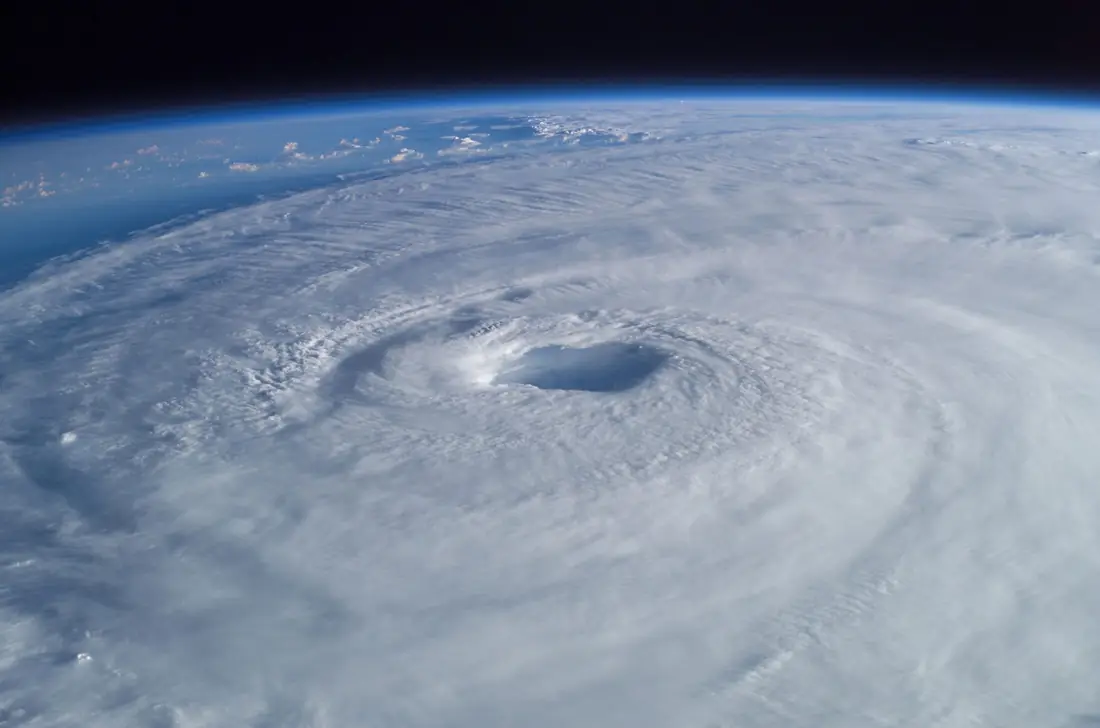
A hurricane claim is really several claims in one: the roof and exterior, the water that got inside, the contents and sometimes the cost of living elsewhere. Each part needs its own evidence, and the first days after the storm decide how much of that evidence survives.
Different causes need clear documentation
A storm can affect roofs, openings, interiors and belongings in different ways. Build a location-by-location record of what changed and when. Keep evidence of wind effects separate from rising-water observations so the relevant policies can be reviewed accurately.
What we focus on
Exterior to interior
Connect roof and opening damage with affected rooms, supported by photographs.
Emergency work
Keep tarp, water-removal and other emergency invoices with work dates.
Loss timeline
Record when conditions were discovered and how the property was secured.
What hurricane damage really looks like
The damage you can see on day one is rarely the whole loss. These are the areas we most often find missing from hurricane claims when a file first reaches us.
Roof uplift and creased shingles
Wind can lift and crease shingles or crack tiles without tearing them off. From the ground the roof may look intact while the seal is broken and water is already getting in.
Interior water paths
Water that enters through the roof, windows or wall openings travels through attic insulation, ceilings and wall cavities. Stains often appear days later and keep spreading.
Matching and continuity
Replacing a few shingles, tiles or siding panels that cannot reasonably match the rest can leave a visibly patched home. How matching is handled depends on your policy and state law.
Openings and seals
Windows, doors, garage doors and soffits can be damaged or unseated, letting wind-driven rain in long after the storm passes.
Other structures
Fences, screen enclosures, sheds and detached garages usually fall under a separate coverage limit and are easy to leave out of the first inspection.
Additional living expenses
If the home is unlivable, hotel, rental and extra meal costs may be covered under loss of use. Families often forget to track them.
Where insurer estimates commonly fall short
Most first estimates are prepared quickly and from limited information. Gaps are usually about scope, not arithmetic: what was left out, not how it was priced. These are general patterns, not a statement about any particular insurer or claim. In Florida, a preliminary or partial estimate must state that it may be revised as the insurer continues to evaluate the claim (s. 627.70131(6)(a)), so treat a first estimate as a starting point.
- Pricing only the visibly missing shingles or tiles instead of the roof system the repair requires
- Leaving out interior rooms where water damage appeared after the inspection
- Omitting tear-out, underlayment, flashing, drip edge or code-required items
- Treating interior water as unrelated to the storm opening that let it in
- Applying the hurricane deductible without explaining how it was calculated
The stain that kept spreading
Picture a homeowner who photographs the roof from the driveway after a named storm and then waits for the inspection. Two weeks later a bedroom ceiling stain has doubled and the insulation above it is soaked. Dated photos from day one and day fourteen, plus a roofer’s note about lifted shingles above the stain, would make the connection to the storm far easier to show.
Your documentation checklist
You do not need a perfect file to call us. Start with what you have, keep adding to it and never throw damaged material away before it is photographed.
What to gather and keep
- Wide and close photos of every side of the home and the roof, before any tarp goes on
- Photos of every affected room, starting in the attic and following the water path down
- Receipts for tarps, boards, fans, dehumidifiers and emergency labor
- Written findings from any roofer, contractor or drying company
- A list of damaged contents, with photos before disposal
- Hotel, rental, meal and mileage receipts if you cannot live at home
- Your policy declarations page, including the hurricane deductible
- A simple claim diary: every call, visit and letter with dates and names
A typical hurricane claim timeline
- 1Day of the lossSafety and protection
Make the property safe, photograph the damage and make reasonable emergency repairs to prevent further damage. Keep every receipt.
- 2Before you call the insurerFree consultation
Call a licensed public adjuster first. We help you report the claim correctly and prepare for the recorded statement and inspection.
- 3PromptlyGive notice
Report the claim as soon as you reasonably can. In Florida, s. 627.70132 bars a new or reopened claim unless notice is given within 1 year after the date of loss, and a supplemental claim within 18 months.
- 4Within 7 daysAcknowledgment
Florida insurers generally must review and acknowledge a claim communication within 7 calendar days (s. 627.70131(1)(a)).
- 5Within 30 days of proof of lossInvestigation and inspection
The insurer generally must begin investigating within 7 days after receiving proof-of-loss statements and conduct any physical inspection within 30 days (s. 627.70131(3)). A copy of any detailed estimate must be sent within 7 days after it is generated.
- 6Within 60 days of noticePay or deny
The insurer generally must pay or deny the claim, or a portion of it, within 60 days after notice, with a written explanation, unless factors beyond its control prevent it (s. 627.70131(7)(a)).
Florida timelines apply to residential property claims and certain smaller commercial claims, and include exceptions and tolling (for example during mediation). In the other states where we are licensed, deadlines come from your policy and that state’s law and can be very different; we check them for your claim. General education, not legal advice.
Mistakes to avoid
These are the early missteps we see most often. Each one is easier to prevent than to fix, which is why a free consultation before you talk to your insurer matters.
- Giving a recorded statement from memory before the damage has been fully inspected
- Letting the insurer’s adjuster inspect without pointing out tarped, hidden or interior damage
- Throwing away damaged roofing, drywall or flooring before it is documented
- Accepting the first estimate as final when interior damage is still appearing
- Missing the notice or supplemental-claim deadline while waiting for repairs
How American Financial Claims helps
A public adjuster works for the policyholder, not the insurance company. Here is how a claim typically moves with us, from the first call.
- Free consultation. Call (239) 444-8101 or request a review. We listen, look at what you have and tell you honestly whether we see a path, including when we do not.
- Report it correctly. You still give your insurer prompt notice. We help you do it accurately and prepare you for the recorded statement and the insurer’s inspection.
- Inspect and document. If you retain us, we inspect the property, photograph and measure the damage and gather the records in the checklist above.
- Build the scope. We prepare a detailed estimate of what the repair actually requires and compare it line by line with the insurer’s.
- Present and follow through. We present the claim, answer requests, track deadlines and keep you updated until the claim is resolved.
We serve policyholders in the 15 states where we hold public adjuster licenses. See our licensing information. No outcome is guaranteed; every claim depends on the policy and the facts.
Real results on similar claims, shared with our clients’ permission, are shown further down this page. Past results do not guarantee or predict a similar outcome.
Related reading
Hurricane roof claims
After a named storm, the roof is usually the first scope and the one most often argued. Uplift, creased shingles, missing tile, and failed ridge or valley metal can be written as a repair while the rest of the slope is left in place. Ceilings then stain days later, and the carrier may try to separate wind-driven rain from the roof damage that let it in.
Keep wind and roof evidence separate from rising water or storm surge. Those can be different policies. Photograph slopes only if it is safe. Tarp and emergency invoices belong in the file with dates. American Financial Claims reviews the roof scope against the openings and the rooms below.
Read the roof claims page for matching, decking, and ordinance questions, and what a public adjuster does on a storm file. Call (239) 444-8101 before you rely on the first estimate. The claim review is free. You can also schedule a consult.
Related claim help
Wind damage claims
Document exterior damage and the interior conditions that followed.
Explore this page →Flood claim documentation
Keep flood evidence, affected belongings and the relevant policy in one organized file.
Explore this page →Roof damage claims
Build the connection between the damaged roof, the proposed work and any interior effects.
Explore this page →Storm claim help by Florida city
Local pages for policyholders looking for storm, wind, roof, or water claim guidance in these Florida service areas.
Miami storm claims
Claim guidance for Miami-Dade homes, condos, and commercial properties.
Miami public adjuster →Fort Myers storm claims
Claim guidance for Lee County properties after wind and water damage.
Fort Myers public adjuster →Naples storm claims
Claim guidance for Collier County homes, condos, and businesses.
Naples public adjuster →Tampa Bay storm claims
Local claim guidance for Hillsborough County wind and water losses.
Tampa public adjuster →Sarasota storm claims
Claim guidance for Sarasota County hurricane, wind, and roof files.
Sarasota public adjuster →Cape Coral storm claims
Local claim guidance for Lee County roofs, openings, and interiors.
Cape Coral public adjuster →Start a free claim review or schedule a consult. Availability depends on licensing and the facts of your claim.
Questions about this claim
How should I separate wind, hurricane and flood evidence?
Keep photos, notes and invoices organized by the observed cause and location. Wind, storm surge and other water sources may involve different coverage, so American Financial Claims can review the policies and facts together during a free consultation.
What should I photograph after a hurricane?
Take safe ground-level wide and close photos of the roof, openings, rooms, contents and emergency work. Add dates, locations and receipts, and do not put yourself at risk to reach a roof or unstable area.
What if interior damage appears days after the storm?
Photograph the change, note when it was discovered and keep records of drying or temporary repairs. New conditions should be reported promptly and connected to the exterior opening or other documented cause when the evidence supports that connection.
Can a hurricane claim include other structures or temporary living costs?
It may, depending on the policy, limits and facts. Keep separate photos and receipts for detached structures, contents, hotels, rentals and extra meals so those items can be reviewed rather than assumed.
Why call American Financial Claims before speaking with the insurer?
A public adjuster can help you organize the loss and prepare for notice, an inspection and questions from the carrier. Call American Financial Claims first for a free consultation at (239) 444-8101; no particular outcome is promised.
General information, not legal advice. Policies and state laws differ. Ask about your specific claim.
Real results on similar claims
Recoveries clients authorized us to share
Recoveries clients authorized us to share. Every insurance claim is different, and prior results do not guarantee a similar outcome. See all results →