A Gulf disturbance
The NHC is tracking Invest 92L (AL92) in the Gulf, with high odds it becomes a tropical depression mid-to-late this week.

Storm watch · Gulf of Mexico
The National Hurricane Center is monitoring a disturbance in the Gulf with high odds of becoming a tropical depression mid-to-late this week. If it becomes a tropical storm, it will be named Isaias (ees-ah-EE-ahs). The track is not set. Texas to the Florida Panhandle: keep watching the NHC.
Free policy review · Free claim review
Send us your policy now and we will tell you, in plain language, how wind, flood, and your deductibles would work if this storm reaches you. If it does damage your property, we can help document the claim. The review is free and does not hire us.
Last updated Monday, October 5, 2026 (evening ET). Forecasts change. Official updates: National Hurricane Center ↗
Find out if you are properly covered before the storm. Attach your policy or declarations page, or tell us you will email it.
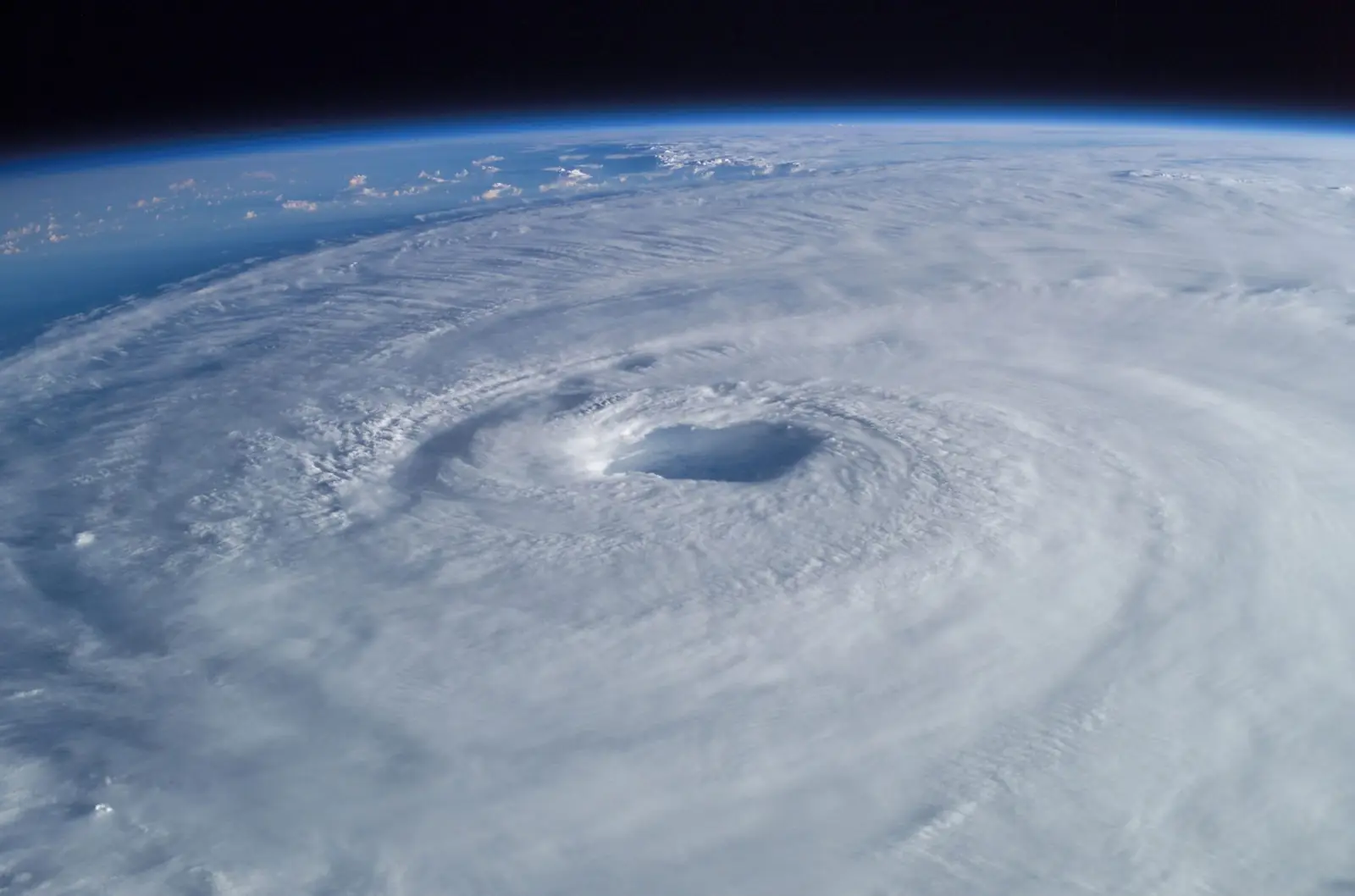
Illustrative NASA satellite image of a past Atlantic hurricane. Not the current Gulf system.
Where things stand · Mon, Oct 5, 2026
The NHC is tracking Invest 92L (AL92) in the Gulf, with high odds it becomes a tropical depression mid-to-late this week.
The system is not named yet. It gets the name Isaias only if it becomes a tropical storm. We will update this page when that happens.
It is too early for a firm track or landfall location. Gulf Coast interests should monitor official forecasts.
American Financial Claims is a public adjusting firm, not a weather service. For forecasts, watches, warnings, and evacuation orders, follow the NHC, the National Weather Service, and your local emergency officials.
Free policy coverage review
Most people find out what their policy says after the damage. A short review now shows where the gaps could be, while there may still be time to ask your agent about them.
Prep resources
Claim types a Gulf storm can cause:
After the storm
These are general steps, not legal advice. Your policy and your state’s rules control the details.
Return only when officials say it is safe. Stay away from downed lines, standing water, and damaged structures.
Give your insurer notice as your policy requires. Write down the claim number, the date, and who you spoke with.
Photos and video of everything, wide and close. Keep samples of damaged materials when it is safe. Photo guide.
Reasonable emergency steps like tarps and water removal. Keep every receipt and photograph the work.
The carrier’s adjuster inspects for the insurance company. Walk with them, take your own notes and photos, and ask for their estimate in writing.
Read any “final” offer or release before you sign. Get a free claim review first. See new claims and underpaid claims.
FAQ
The policy review is free. Send it now or text us a question.
Text an adjusterNot as of Monday, October 5, 2026. The National Hurricane Center is monitoring a disturbance in the Gulf (Invest 92L, also written AL92) with high odds of becoming a tropical depression mid-to-late week. If it strengthens into a tropical storm, its name will be Isaias (ees-ah-EE-ahs). Check nhc.noaa.gov for the current status.
It is too early for a firm track. The NHC says interests along the Gulf Coast from Texas to the Florida Panhandle should monitor its progress. We do not forecast weather. Follow the NHC and your local emergency officials.
Most homeowners policies exclude flood (rising water and storm surge). Flood is usually a separate policy through the National Flood Insurance Program or a private flood carrier. New NFIP policies generally have a 30-day waiting period, so a policy bought now may not cover this system. Wind and wind-driven rain are usually handled under the homeowners or windstorm policy.
Many Gulf Coast policies carry a separate hurricane, named-storm, or windstorm deductible. It is often a percentage of your dwelling limit, not a flat dollar amount. On a $400,000 dwelling limit, a 2% deductible is $8,000. Which deductible applies depends on your policy wording and how the storm is classified.
No. The review is free and it does not hire us. If you later have a claim and decide to hire American Financial Claims, the fee is a percentage of the recovery, disclosed in a written contract before you sign. No recovery, no fee.
No. American Financial Claims is a public adjusting firm. We do not sell insurance or change policies. If the review turns up a gap, talk to your agent or carrier. Carriers often stop accepting new policies or changes once a storm threatens an area, so do it early.
Our individual public adjusters are licensed in 15 states. The Florida firm license is G288962. We confirm which license applies to your property before we are hired. We do not claim the firm holds a license in every state.
This page is general educational information. It is not legal advice, not a weather forecast, and not a coverage determination. Storm information reflects public National Hurricane Center outlooks as of Monday, October 5, 2026, and may be out of date. Always check nhc.noaa.gov and your local officials.
American Financial Claims is a public adjusting firm (Florida firm license G288962). Our individual public adjusters are licensed in 15 states; we confirm the license that applies to your property before we are hired. We do not sell insurance, change policies, or provide legal services. A free review does not create a contract. If you hire us, the fee is a percentage of the recovery, disclosed in a written contract before you sign. No recovery, no fee. Results depend on the policy, the facts, and the carrier, and are not guaranteed.
This is an advertisement for public adjusting services. If you have had a claim for an insured property loss or damage and you are satisfied with the payment by your insurer, you may disregard this advertisement.
No recovery. No fee.
Tell us the property, the carrier, and where the claim stands. A person from American Financial Claims calls you back.
This form does not hire us. Individual public adjusters are licensed in 15 states.