The Insurance Game · Part III
How to document a property insurance claim so the file can stand up
Photos, moisture, contents, and a room-by-room record. What belongs in the claim file before anyone argues about price.

By Armando Ferrer, Licensed Public Adjuster
American Financial Claims · Florida firm license G288962
Published 4 min read
In this article (4 sections)
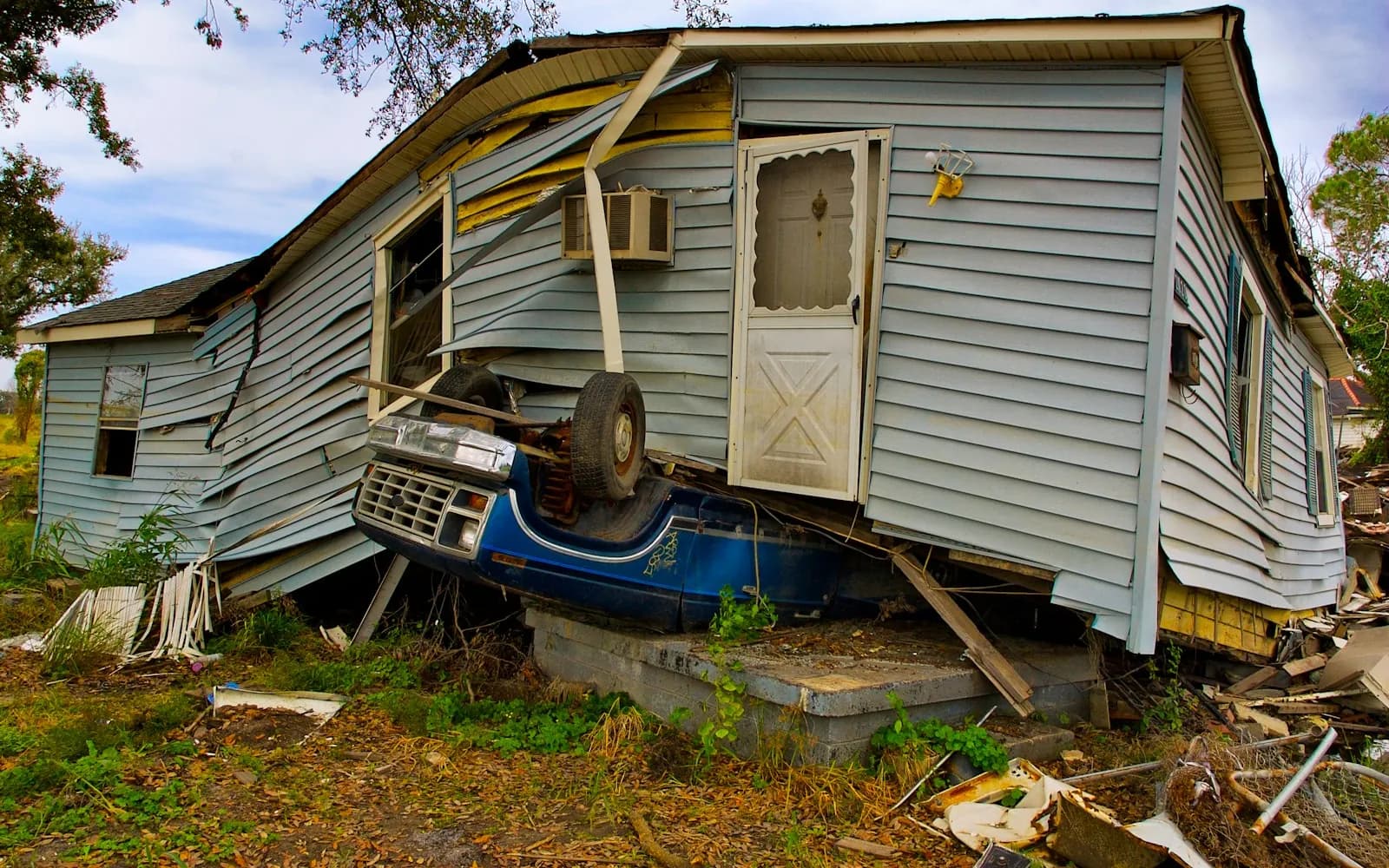
Carriers pay what the file proves. A clean story with thin photos loses to a messy story with measurements, moisture maps, and receipts. Documentation is not paperwork for its own sake. It is how invisible damage becomes a line item.
American Financial Claims builds claim files for policyholders every week. This guide is the homeowner version: what to capture yourself, and when to hand the file to a public adjuster.
None of this replaces the book. It is an original field checklist. Download the free digital edition when you want the longer explanation, and call (239) 444-8101 before the insurer’s inspection if you want someone on your side of that walkthrough.
A photo set that an estimate can follow
Shoot the address, each elevation, then each room from the doorway before you move anything. Then close-ups with a tape measure or a coin for scale. Finish with whatever caused the opening: the lifted shingle, the failed supply line, the scorch pattern. Date stamps and a simple folder per room beat a camera roll of 400 unlabeled images.
- Four sides of the building, plus the roof if it is safe.
- Each room: wide, then damaged areas, then a ceiling or floor transition.
- Contents: groups first, then high-value items with brand and model.
- Temporary repairs: the tarp, the dry-out equipment, the boarded window.
The photo checklist tool matches this order if you want boxes to tick.
What photos miss
Water that wicked into insulation, smoke in an HVAC system, and a roof deck that is soft under shingles do not always show in a phone picture. Moisture-meter readings, a drying log from the mitigation company, and a note of odors or staining on the back of baseboards are how those items enter the file.
- Ask the mitigation firm for daily moisture readings in writing.
- Save pieces that show the layers: drywall, vapor barrier, sheathing.
- Write the room name on a card in the first photo of each set.
- Do not rely on a carrier photo set as your only copy.
“If it is not in the file, it is a story. If it is measured, it is a line item.”
Contents, code items, and extra living expense
Building coverage and contents coverage are different buckets. A sofa is not a drywall line. List contents by room with a rough age and a replacement example, not a single heartbroken total. If you cannot live in the house, keep hotel and meal receipts from day one. Many people lose additional living expense because they paid cash and kept nothing.
Put these in one folder
- Policy declarations and endorsements
- The claim number and every email or portal message
- Mitigation contract, invoices, and drying logs
- Your photo index and a simple room list
- Receipts for temporary repairs and displacement
- Any engineer or contractor report you ordered yourself
Our claim-file organizer is the same idea as a worksheet. Early mistakes that make this folder impossible are covered in the first 48 hours.
When the folder should leave your kitchen table
You can document a straightforward loss yourself. Hand it off when rooms multiply, when an engineer appears, or when the carrier’s photo set does not match what you are living with. American Financial Claims reviews that folder at no cost and will say so if the claim does not need representation.
Schedule the review, call (239) 444-8101, or get the free book from the download form and keep building the file while you wait.
Frequently asked questions
How many photos are enough?
Enough that a person who has never seen the house can walk it on screen: elevations, every room, and close-ups with scale. A short index matters more than a huge unsorted roll.
Should I hire an engineer immediately?
Not by default. Hire one when cause or structural safety is actually disputed. A public adjuster can tell you whether that cost belongs in the file yet.
Does American Financial Claims charge to look at my photos?
The claim review is free. Call (239) 444-8101 or use the schedule page. Representation, if you want it later, is a separate agreement.
Free digital edition
Get the book, then decide your next move.
American Financial Claims will email the free digital edition of The Insurance Game: And How To Win It. Same download form as the book page. If a claim is open, talk to a public adjuster before you talk to the insurer.
Prefer a set time? Schedule a free consult · Public adjuster services · All chapter guides

Armando Ferrer
Licensed Public Adjuster · American Financial Claims · Florida firm license G288962
Armando leads public adjusting work at American Financial Claims, a public adjusting firm based in Brickell, Miami and licensed in 15 states. He is the author of The Insurance Game: And How To Win It. Consultations in English and Spanish. More about Armando.
Educational information only, not legal advice. Scenarios in this article are general illustrations, not real cases or clients. Coverage, deadlines and outcomes depend on your policy, your state and your facts, and no result is guaranteed. Statute references are to the Florida Statutes as published by the Florida Legislature; other states’ rules differ. American Financial Claims is a public adjusting firm, not a law firm.