Florida Insurance Claim Guides
How to Read Your Insurance Adjuster's Report—and Your Options After It Arrives
Your estimate is not the same as your coverage decision, and the total at the bottom is not always your check. Here is a practical way to read the packet before deciding what comes next.

By American Financial Claims
Florida Insurance Claim Guides · Florida firm license G288962
Published 10 min read

In this article (9 sections)
The insurance company sends a report full of abbreviations, measurements and dollar columns. You want a simpler answer: “Does this pay for the repairs my home needs?”
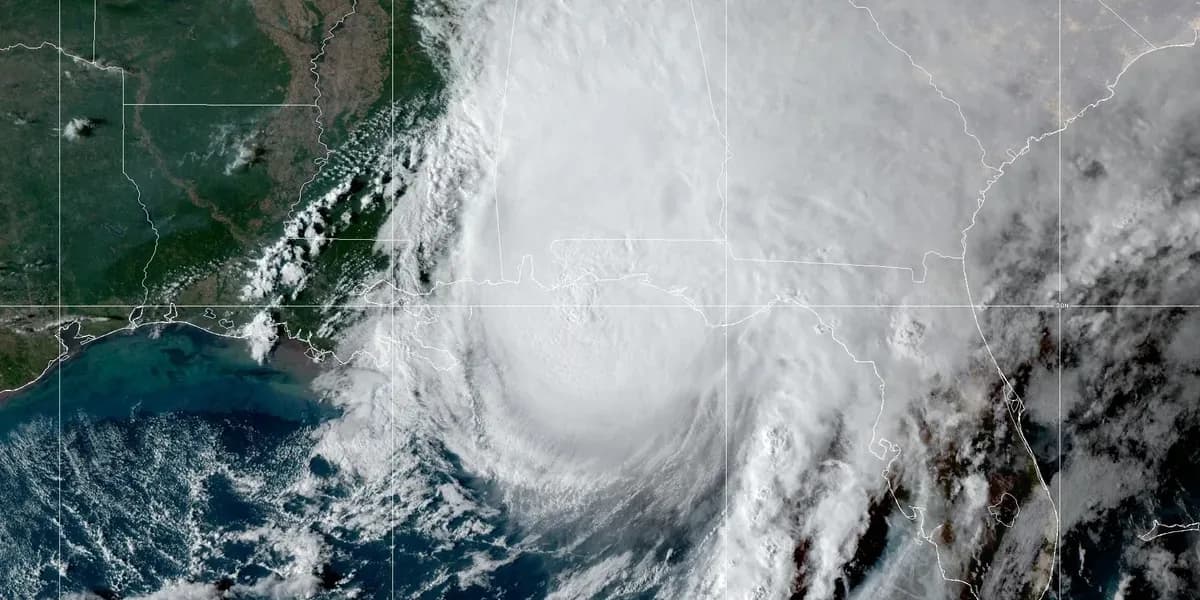
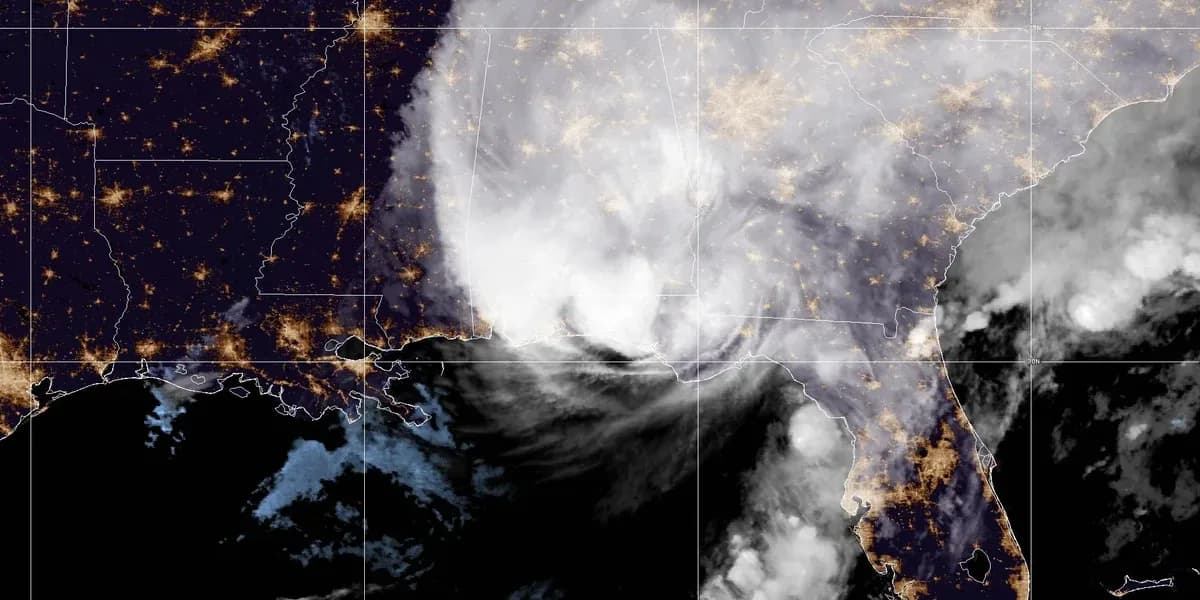
After Hurricane Isaias—or any Florida property loss—the answer starts by separating three things: what the policy covers, what the estimate says needs repair and how the payment was calculated. Read them together, but do not mistake one for another.
First, separate the pieces of the packet
Read the decision. Check the scope. Reconcile the payment.
- Coverage decision letter: Explains what the insurer accepts, denies or limits, and why. Look for the policy language, covered causes of loss, exclusions and any right-to-repair election. An estimate alone is not necessarily a coverage acceptance.
- Line-item estimate: Describes the repair work the estimator included. Xactimate and similar reports organize work by rooms, roof sections or elevations. The estimate may be preliminary or partial.
- Payment worksheet or summary of loss: Shows how the insurer moved from the estimate to the proposed payment. It may account for depreciation, deductible, prior payments, limits and separate coverages.
- Other enclosures: May include depreciation instructions, a proof-of-loss form, mediation information, requests for documents or a release. Each deserves its own review.
Before you compare numbers
- Confirm the property, claim number, date of loss and estimate version.
- Find the full estimate, not just the summary page.
- Keep every enclosure and the envelope or email that delivered it.
- Put the policy declarations and endorsements beside the packet.
- Mark response deadlines, repair requirements and requested documents.
RCV, ACV and depreciation—in plain English
Replacement Cost Value (RCV) is the estimated cost to repair or replace the included damaged property with comparable materials, subject to the policy. It is not automatically the amount payable today, and it cannot compensate for repairs missing from the scope.
Depreciation is a reduction applied under the policy for factors such as age and condition. Check which items were depreciated, their assumed age and useful life, the percentage and whether the deduction is recoverable.
Actual Cash Value (ACV) is generally the replacement-cost amount less applicable depreciation, as the policy and Florida law provide. Do not assume every coverage or roof endorsement pays on a replacement-cost basis.
- Recoverable depreciation: An amount that may become payable after you satisfy policy and legal requirements, commonly including repair or replacement and supporting invoices. Check deadlines, required proof and any limits tied to actual expenses. It is not an automatic second check.
- Non-recoverable depreciation: A deduction that the applicable coverage does not promise to pay back. Ask which policy provision supports the classification. An ACV-only provision or roof payment schedule can materially affect recovery.
Simple payment math
For a straightforward covered replacement-cost item, the report often starts with RCV minus applicable depreciation = ACV. The initial net payment may then subtract the applicable deductible and prior payments, subject to limits and the policy's other terms. Do not subtract the deductible twice.
For an Isaias loss, compare the deductible against our Florida hurricane-deductible guide. Hurricane-deductible application can involve annual provisions and prior hurricane losses—not simply a new percentage for every check.
The line-item columns worth checking
- SQ — roofing squares: One roofing square equals 100 square feet. Check roof slopes, actual roof surface area, waste and what the quantity represents. The home's floor area is not necessarily its roof area.
- SF — square feet: Common for drywall, insulation, flooring or paint. Confirm room dimensions and whether the estimate covers the needed surface, not merely the visible stain.
- LF — linear feet: Common for baseboards, gutters, fascia and trim. Count the actual damaged lengths and work required to complete a reasonable repair.
- EA and other units: EA usually means each. Other units can include hours, cubic yards or bundles. Read the unit beside the quantity rather than assuming every number is an area.
- R&R — remove and replace: Removes an item and installs a replacement. Look for necessary associated operations; do not assume a line includes every accessory or related trade.
- D&R — detach and reset: Temporarily removes and reinstalls the existing item. That is different from supplying a new item. Check whether the damaged material can reasonably be reused.
- Repair / patch only: Covers a limited repair. Compare the proposed method with actual damage, material availability, repairability and applicable requirements.
Labels vary by software, carrier and report format. Some estimates use symbols for activities rather than the abbreviations above. Use the report's legend and ask the estimator to explain unclear codes.
Six questions that can reveal a scope gap
- Are all damaged areas listed? Compare every room, roof section, elevation and detached structure with your photographs and inspection notes. A missing room can matter more than a small price disagreement.
- Are the quantities accurate? Verify dimensions, roof measurements, opening deductions, trim lengths and the extent of removal. Do not inflate measurements; document the difference.
- Is the repair method workable? A patch, detach-and-reset operation and replacement are different jobs. Check the condition of adjoining materials and what has to come apart to reach the damage.
- Are local prices appropriate? An estimating database is a starting point, not a contractor's binding bid. Support Panhandle material, labor, access, disposal and mobilization costs with current, relevant evidence.
- Is overhead and profit addressed? General-contractor overhead and profit may be appropriate when the repair reasonably requires a general contractor. Multiple trades are relevant, but there is no universal “three trades means automatic O&P” rule. Explain the coordination and work required.
- Are code and matching questions documented? Check ordinance-or-law coverage, limits and actual permit requirements. Under §626.9744, qualifying replacement-cost homeowners claims may require reasonable matching repairs in adjoining areas, subject to the policy and statutory factors. Neither matching nor a code citation automatically establishes a full replacement entitlement.
Your right to receive the insurer's detailed estimate
7 days after generation — not after your request
Florida Statute §627.70131(3)(e) says the insurer must send the policyholder a copy of any detailed loss estimate within 7 days after its adjuster generates it. The clock is not “7 days after you request it.” The provision does not require the insurer to create a detailed estimate when one is not reasonably necessary for its investigation.
If it is missing, request the complete itemized estimate, all pages, the current version and the payment explanation in writing. Keep a dated copy of the request. This particular right concerns the detailed estimate; it does not automatically give you every internal adjuster note or privileged document.
The same statute requires a reasonable written explanation for a payment, denial or partial denial. If the payment is less than the insurer's detailed estimate, it must reasonably explain the difference in writing. The general pay-or-deny period is 60 days after notice of an initial, reopened or supplemental claim, subject to statutory exceptions and tolling. See our Florida claim-rights guide.
Can you deposit the check and still challenge the estimate?
An ordinary undisputed partial payment generally is not the same as agreeing to a final settlement, and additional covered benefits may still be pursued. Florida's claim-handling law requires payment or denial of the claim or a portion of it within the applicable period; a scope dispute does not turn an undisputed payment into a release by itself.
But the exact documents matter. Read the front and back of the check, payment letter and any accompanying agreement before depositing or signing anything. Look for “full and final,” “full satisfaction,” “release” or language resolving disputed claims.
Full-satisfaction checks need caution
If a check or accompanying letter says it satisfies the claim in full, stop and get legal advice before depositing it. Florida's accord-and-satisfaction statute, §673.3111, can make collection of a qualifying full-satisfaction payment consequential even without a separate signed release. Do not assume crossing out the wording preserves your rights.
Mediation settlements have their own rules: under §627.7015, depositing the settlement check can eliminate the usual three-business-day rescission opportunity. This guide is educational, not legal advice about a particular check.
Five practical options after the report arrives
1. Request an independent claim-report review
A licensed public adjuster at American Financial Claims can compare the carrier packet with the policy and documented property damage. Bring the entire report, coverage letter, payment worksheet, endorsements, photos and contractor proposals.
A review can identify a measurement issue, an omitted repair or a policy question. It can also show that the carrier's calculation is supported. A free review is not a promise of more money.
2. Present a documented supplemental or reopened claim
Prepare a specific written explanation of what needs reconsideration, with dated photographs, measurements, an itemized repair scope, relevant contractor evidence and any requested proof of loss. Ask for a reinspection where appropriate and keep delivery records.
- Reopened claim — generally 1 year from loss: A previously closed claim reopened to seek additional costs for loss or damage already disclosed to the insurer.
- Supplemental claim — generally 18 months from loss: A qualifying claim for additional loss or damage from the same peril previously adjusted, or repair/replacement costs under a timely reported open claim.
These definitions and notice deadlines come from §627.70132. The categories are not interchangeable. A reopened claim does not generally receive the supplemental claim's 18-month deadline. They are notice deadlines measured from the loss—not from the day you receive the report. Special rules can apply, and other policy duties and deadlines remain important.
3. Consider appraisal if your policy provides for it
Appraisal is a contractual process for determining the amount of loss. Many policies allow each side to choose an appraiser, with an umpire resolving differences under the clause's terms. Each side usually pays its own appraiser and shares the umpire's cost; read your actual policy.
Amount and repair-scope disputes may be appropriate for appraisal, but appraisal does not automatically resolve every coverage or legal dispute. Causation and coverage issues can complicate whether and when appraisal is available. Get the clause reviewed before making a demand, because the process can involve costs and a binding amount determination. Learn about appraisal.
4. Ask about Florida DFS mediation
§627.7015 establishes a nonadversarial mediation process for eligible personal-lines and commercial residential property claims. The insurer generally bears the conference cost. A policyholder who fails to appear can have to pay to reschedule.
Eligibility and timing matter: the program generally operates before appraisal or litigation, though courts can refer cases. Certain disputes are excluded, including specified fraud, coverage and notice-deadline situations. Mediation is nonbinding unless a written settlement becomes binding; a homeowner generally has three business days to rescind a settlement unless the settlement check has already been cashed or deposited. Learn about mediation.
Appraisal and mediation are alternatives to evaluate—not steps you must automatically take in that order.
5. Consult a Florida property attorney when legal advice is needed
A coverage denial, release, alleged breach of contract or dispute needing court action calls for advice from a Florida first-party property attorney. American Financial Claims handles damage documentation, estimating and claim negotiation as a public adjusting firm; we do not provide legal advice.
Our focus is resolving claims through the adjustment process without a lawsuit whenever possible. We settle most claims ourselves without a lawsuit, and a lawyer is for when legal advice or court is actually needed—not simply because the estimate contains unfamiliar abbreviations.
Your next 30 minutes: a better claim file
Quick claim-file checklist
- Save the complete packet and note when it arrived.
- Highlight the deductible, depreciation, prior payments and net payment.
- Compare included rooms and exterior areas against your damage photos.
- List precise questions and missing items without guessing at causes or prices.
- Check for release language before depositing a disputed settlement check.
- Calendar policy and statutory deadlines; do not wait for them to approach.
- Request an independent review if the report does not reflect your documented loss.
Request your free report review
American Financial Claims helps Florida homeowners understand the paperwork and pursue supported policy benefits. For current Panhandle claim-handling work, read how we are helping homeowners after Isaias.
Frequently asked questions
Is the estimate the same as a coverage decision?
No. The estimate describes included repair work; the coverage letter explains what the insurer accepts, denies or limits. Read both with the payment worksheet.
Must I ask for the estimate to start Florida's seven-day delivery period?
No. Section 627.70131(3)(e) measures the seven days from generation by the insurer's adjuster, not your request. It does not require creation of an estimate when one is not reasonably necessary.
Is recoverable depreciation guaranteed to be paid?
No. Review the policy, repair or replacement requirements, proof, applicable deadlines and actual-expense limitations. Ask for a written explanation of any withheld amount.
Do reopened and supplemental claims have the same deadline?
No. Under §627.70132, notice of a reopened claim is generally due within one year of loss and notice of a supplemental claim within 18 months. Their statutory definitions differ.
Does cashing a check always close my claim?
No, but full-satisfaction language, a release or a mediation settlement can change the outcome. Review all accompanying documents and get legal advice when the wording is unclear.
Educational information only, not legal advice. Scenarios in this article are general illustrations, not real cases or clients. Coverage, deadlines and outcomes depend on your policy, your state and your facts, and no result is guaranteed. Statute references are to the Florida Statutes as published by the Florida Legislature; other states’ rules differ. American Financial Claims is a public adjusting firm, not a law firm.