Hurricane Isaias Claim Guide
Why Hurricane Isaias Claims Get Underpaid or Denied, and What You Can Do About It
A denial letter or a low check is not always the final word. These are the most common reasons hurricane claims come up short in Florida, and the practical steps that can help you push back.

By American Financial Claims
Hurricane Updates & Insurance Claim Resources · Florida firm license G288962
Published 8 min read
In this article (8 sections)
You did everything right. You took the photos, tarped the roof, reported the claim and waited for the adjuster. Then the letter arrived, and the number was far lower than your contractor’s price, or the claim was denied outright.
That is a hard moment, especially after a storm like Isaias. But an insurance company’s first decision is its position, not a court ruling. Many underpaid and denied hurricane claims come down to a handful of familiar issues, and once you know which one you are facing, you can respond to it specifically. This guide is general information, not legal advice; your policy language controls.
Why Isaias claims are especially easy to get wrong
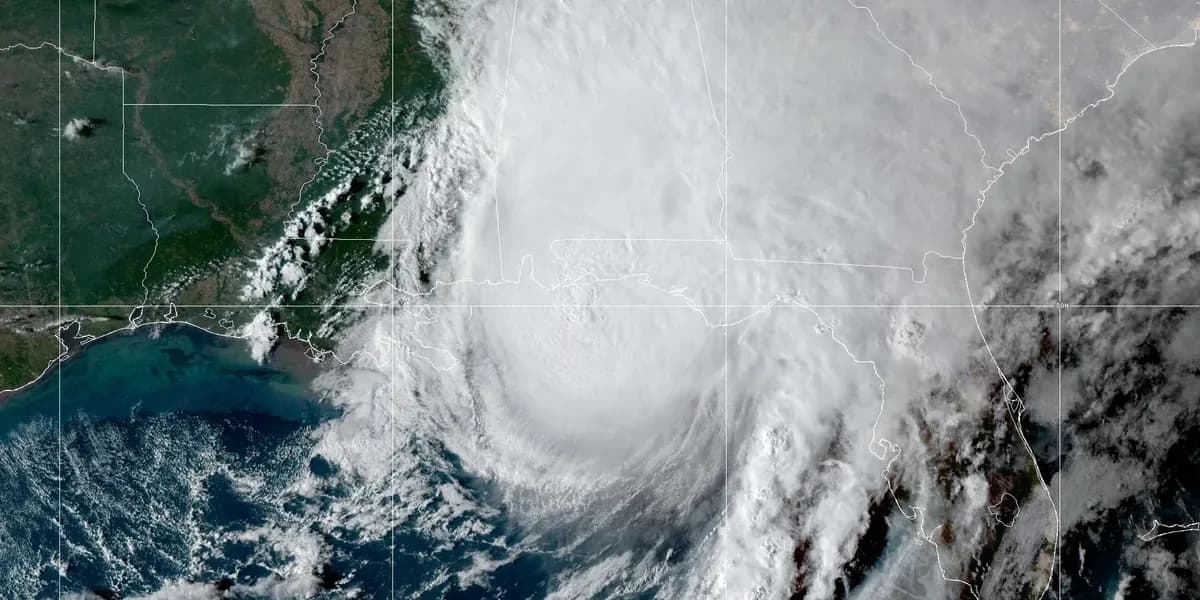
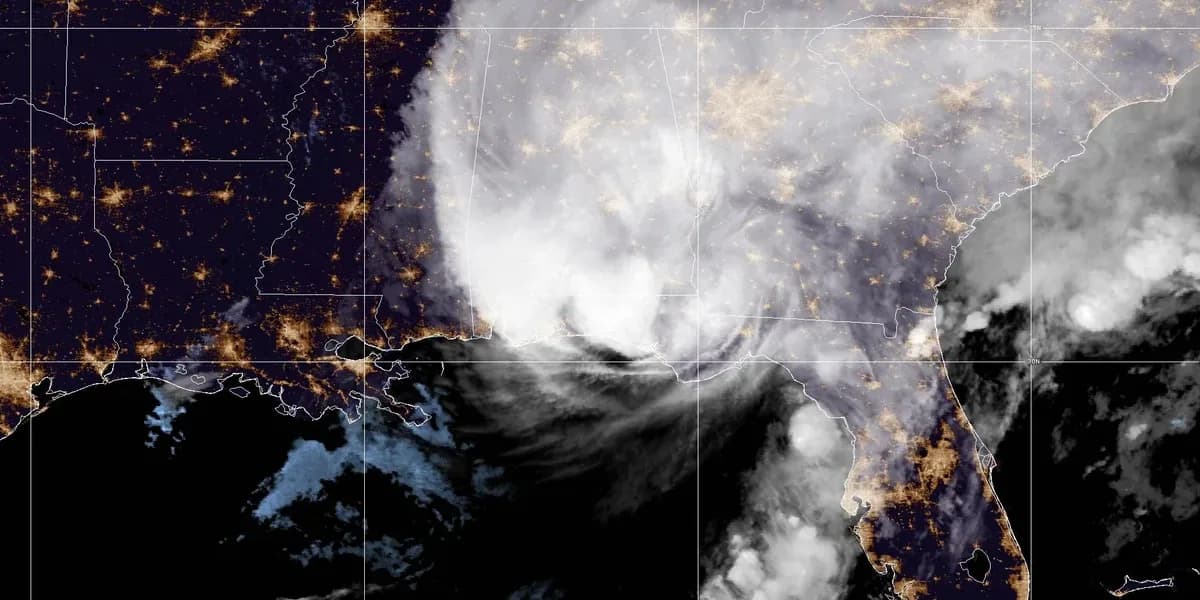
Isaias hit the Panhandle with several kinds of force at once. The National Hurricane Center reported landfall near Destin at 105 mph, a 116 mph gust near Santa Rosa Sound and water 5.6 feet above normal high tide at a NOAA gauge in Panama City Beach. Its final advisory still called for 4 to 8 inches of rain, locally up to 15, across the Panhandle and Big Bend.
Wind, wind-driven rain, storm surge and flooding rain can all damage the same house in the same night, and insurance policies treat each one differently. When an adjuster is working through hundreds of claims after a storm, it is easy for the cause of a loss to be labeled too quickly, or for damage to be missed entirely.
Reason 1: The damage is blamed on flood instead of wind
Standard homeowners policies generally cover wind damage but exclude flood, including storm surge. So when water damage is found, the first question is often how the water got in.
If rain came through a roof or window the wind broke, that interior damage is often covered under the homeowners policy. If surge or rising water came in at ground level, it generally is not, and you would look to a separate flood policy. Many Isaias homes have both kinds of damage, and a claim can be underpaid when wind damage is lumped in with flood.
- Photograph damage high on walls and ceilings separately from low water lines
- Document roof openings, missing shingles, broken windows and damaged soffits that let rain in
- Note where the water line stopped, measured from the floor, inside and outside
- If you have flood insurance, file that claim too, and keep the two claims organized side by side
Our original guide, Hurricane Isaias 2026: Is Your Insurance Company Ready to Pay?, explains more about wind and flood coverage.
Reason 2: The insurer says it is wear and tear or old damage
Policies typically exclude wear and tear, deterioration and damage that existed before the storm. After a hurricane, it is common to see roof damage, interior leaks or cracked stucco described as pre-existing or age-related.
Sometimes that is accurate. Often it is only partly true: an older roof can still be torn up by 100-plus mph gusts. The Panhandle also has a history of storms, so insurers may point to earlier events. The way to answer this is with evidence.
Evidence that helps
- Photos of the property from before Isaias, including real estate listing photos or old phone pictures
- Roof permits, invoices or inspection reports showing the roof’s age and condition
- Repair records from earlier claims showing what was already fixed
- Fresh damage indicators: clean breaks, creased or missing shingles, debris impacts and new interior staining
Reason 3: The estimate is too small for the real repair
This is the most common kind of underpayment. The insurer does not deny the claim; it simply approves less work than the repair actually takes.
- Patch instead of replace. A roof, floor or wall section is priced as a small repair when the damage or the building code calls for more.
- Missing rooms and areas. Closets, hallways, attics, garages and adjoining rooms the water reached are left out.
- Short quantities. Square footage of drywall, flooring, insulation or paint is measured low.
- Missing steps. Tear-out, drying, content moving, debris removal or permits are not included.
- Code upgrades. Work required by current building codes may be covered under ordinance or law coverage, depending on your policy.
- Depreciation. Many policies pay actual cash value first, holding back depreciation until repairs are done, so the first check can look low even if more is due later.
Ask for the insurer’s complete, itemized estimate. Under Fla. Stat. 627.70131, the insurer must send it to you within 7 days after its adjuster generates it, and if its payment is less than its own detailed estimate, it must explain the difference in writing.
Reason 4: New materials will not match what is left
Imagine a section of your tile floor or roof is replaced with material that no longer matches the rest. The insurer pays for the damaged section only, and you are left with a patchwork.
Florida has a specific rule on this. Under Fla. Stat. 626.9744, unless the policy says otherwise, when a homeowners policy settles on repair or replacement cost and replaced items do not match in quality, color or size, the insurer must make reasonable repairs or replacement of items in adjoining areas. The insurer can consider cost, how much uniformity can be achieved and other factors, so this is a negotiation, not an automatic full replacement. Photos of the full area and samples showing the mismatch help.
Reason 5: Paperwork, timing and cooperation issues
Claims are also cut or denied for reasons that have nothing to do with the damage itself: late notice, missing documents, a missed re-inspection, or an answer in a recorded statement that seemed to suggest the damage was older.
Keep a log of every call and email, respond to written requests promptly, and give accurate answers without guessing. If you do not know when a leak started, say so. If an insurer requests information, Florida law can pause its decision deadline until you provide it, so quick responses help keep your claim moving.
What to do if your Isaias claim was underpaid or denied
- Read the letter carefully. Find the specific policy language and the reason the insurer gives. Florida law requires a reasonable written explanation for a payment, denial or partial denial.
- Get the full estimate. Compare it room by room with your photos and a detailed contractor estimate, not just the totals. Our guide on finding the estimate gap shows how.
- Answer the reason with evidence. If the issue is cause of loss, document wind damage. If it is wear and tear, show the property’s condition before Isaias. If it is scope, show what the repair actually requires.
- Submit a supplemental claim if you find more damage. Under Fla. Stat. 627.70132, supplemental claim notice is due within 18 months of the date of loss, which for Isaias is the October 9, 2026 landfall date.
- Consider state mediation. For many residential claims, the Florida Department of Financial Services runs a mediation program under Fla. Stat. 627.7015. The insurer pays the cost, it is nonbinding, and if you settle you generally have 3 business days to change your mind.
- Check your policy for appraisal. Many policies let either side demand appraisal when the dispute is about the amount of loss. See our appraisal page for how it works.
- Get a second opinion from your side of the table. A licensed public adjuster can inspect, re-scope and present the claim for you.
Most property claims settle without a lawsuit. A lawyer is the right step when you need legal advice, when coverage itself is in dispute in a way that calls for it, or when the claim is headed to court.
How a public adjuster can help
Representation can make a measurable difference. In one hurricane-claim category, a 2010 report by Florida’s Office of Program Policy Analysis and Government Accountability (OPPAGA Report 10-06) found median payments of $17,187 for claims with public adjuster representation versus $2,029 without, about 747% higher. That study covered Citizens claims filed in 2008 and 2009 relating to 2005 hurricanes. It is historical research, the figures are before public adjuster fees, and it is not a prediction for any claim.
At American Financial Claims, we work only for policyholders. We inspect the property, review your policy and the insurer’s estimate, write a detailed estimate of the full repair, and negotiate with the insurance company through settlement. For residential and condo claims tied to Isaias’s declared emergency, Florida caps our fee at 10% for claims made during the year after the declaration, and it is disclosed in writing before you sign.
Start with a free claim review, call (239) 444-8101, or call (727) 342-1077 to schedule an inspection. Local guides: Pensacola, Destin and Fort Walton Beach, Panama City. Full storm timeline: Hurricane Isaias.
Cover image: NOAA/NESDIS GOES-19 GeoColor, Hurricane Isaias at landfall, October 9, 2026.
Frequently asked questions
My Hurricane Isaias claim was denied. Is it too late to do anything?
Usually not. Read the denial for the specific reason, gather evidence that answers it, and consider asking the insurer to reconsider, filing a supplemental claim, requesting state mediation, or getting a public adjuster’s review. Florida generally allows 18 months from the date of loss for supplemental claims and 1 year for new or reopened claims.
What does it mean when the insurer says the damage is from flood, not wind?
Homeowners policies generally exclude flood, including storm surge. If the insurer attributes the damage to flood, it is saying your homeowners policy does not cover it. Damage caused by wind, or by rain entering through an opening the wind created, is often covered, so documenting how the water got in is important.
Does Florida require insurers to replace undamaged materials so they match?
Under Fla. Stat. 626.9744, unless the policy provides otherwise, when replaced items do not match in quality, color or size, the insurer must make reasonable repairs or replacement in adjoining areas. The insurer can weigh cost and other factors, so the outcome depends on the facts.
Do I need a lawyer for an underpaid hurricane claim?
Most property claims settle without a lawsuit. A lawyer is the right call when you need legal advice or the dispute is headed to court. A public adjuster can document and negotiate the claim but cannot give legal advice.
Educational information only, not legal advice. Scenarios in this article are general illustrations, not real cases or clients. Coverage, deadlines and outcomes depend on your policy, your state and your facts, and no result is guaranteed. Statute references are to the Florida Statutes as published by the Florida Legislature; other states’ rules differ. American Financial Claims is a public adjusting firm, not a law firm.