Hurricane Isaias Claim Guide
How to File a Hurricane Isaias Insurance Claim in Florida: A Step-by-Step Guide
Isaias is gone, but for many families in the Panhandle the hard part is just starting. Here is a calm, practical order of operations for documenting your damage, protecting your home and filing a claim that tells the whole story.

By American Financial Claims
Hurricane Updates & Insurance Claim Resources · Florida firm license G288962
Published 10 min read
In this article (10 sections)
If Hurricane Isaias damaged your home, condo or business, you are probably tired, busy and surrounded by things that need fixing. The insurance claim can feel like one more job on a very long list.
This guide is meant to make that job smaller. It walks through the steps in the order they usually matter, explains what your insurance company will ask for, and points out the Florida deadlines you should keep in mind. It is general information, not legal advice, and your own policy language always controls.
What Isaias did, and why the claim starts now
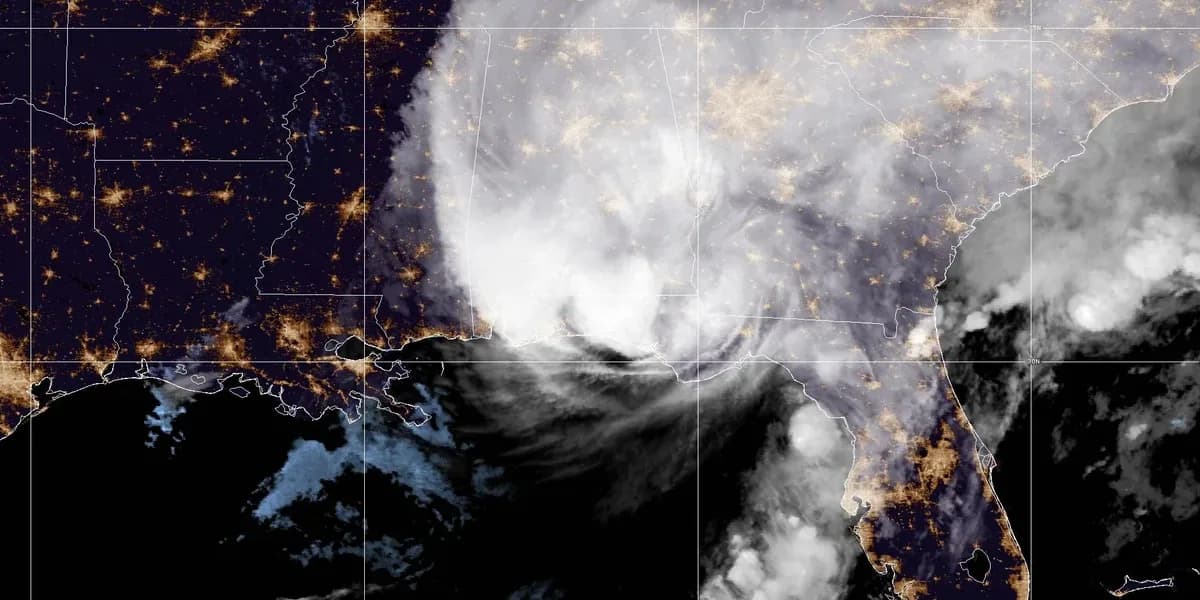
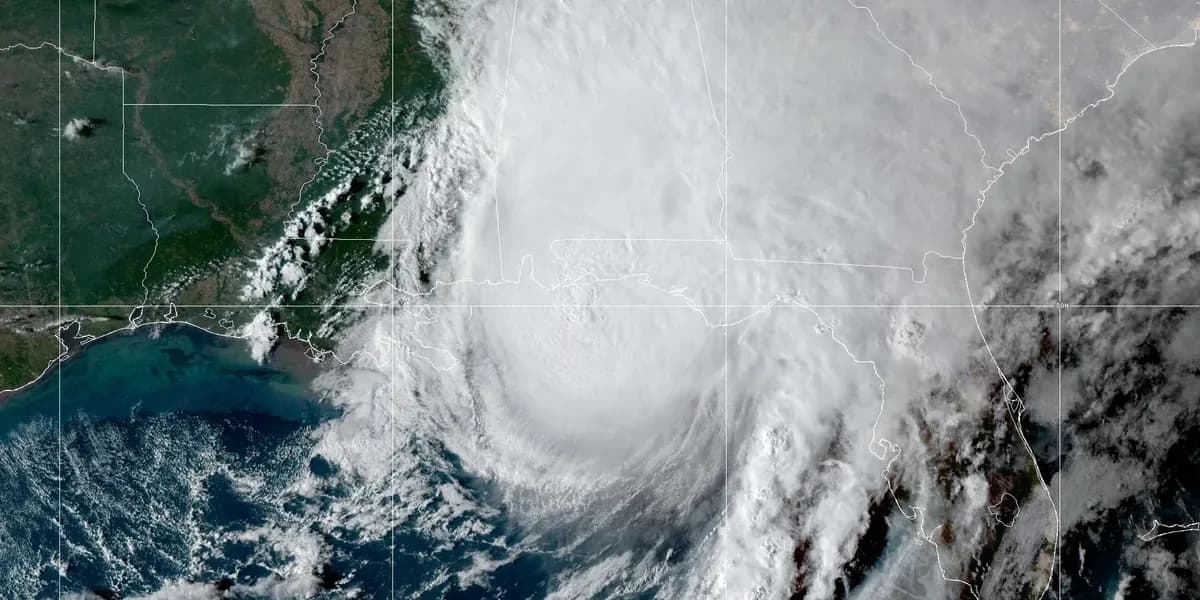
According to the National Hurricane Center, Hurricane Isaias made landfall near Destin around 8:30 p.m. CDT on Friday, October 9, 2026, as a Category 2 hurricane with maximum sustained winds of 105 mph. NHC cited a 116 mph gust near Santa Rosa Sound, a 100 mph gust near Pensacola, and a water level of 5.6 feet above normal high tide at a NOAA gauge in Panama City Beach.
In its final advisory, NHC still expected 4 to 8 inches of rain, locally up to 15 inches, across the Florida Panhandle and Big Bend, with considerable flooding likely. That mix of wind, surge and rain is exactly why Isaias claims can get complicated: different kinds of water and wind damage are often covered by different parts of a policy, or by different policies.
Our Hurricane Isaias page keeps the full storm timeline. If you are in the hardest-hit areas, we also have local guides for Pensacola, Destin and Fort Walton Beach and Panama City.
Step 1: Make sure it is safe before you do anything else
No claim is worth an injury. Follow your county emergency officials before you return, stay away from downed power lines and standing water, and do not go into a building that looks structurally unsound. If you smell gas, leave and call the utility from a safe distance. And do not climb onto a wet or damaged roof; photos from the ground are enough to start the claim.
Step 2: Document the damage before anything is moved
Good documentation is the backbone of a hurricane claim. The insurance company will try to answer two questions: what was damaged, and what caused it. Your photos and notes help answer both.
What to capture
- A slow video walk-through of the outside of the property, then every room inside, narrating what you see
- Close-up and wide photos of each damaged area, so the adjuster can see both the detail and where it is
- The roof, soffits, fascia, gutters, siding, fences, screen enclosures and any fallen trees
- Ceiling stains, wet drywall, warped floors and damaged cabinets, even if they look minor
- Water lines on walls, furniture and the exterior, measured with a tape if you can
- Damaged belongings, with brand and model numbers where they are visible
- Any older photos of the home from before Isaias, which help show what is new damage
Our hurricane photo checklist goes room by room. Keep the original files; do not crop or edit them, because the date and location data embedded in the files can help.
Do not throw out the evidence too early
If you have to remove wet carpet, drywall or ruined belongings for health or safety reasons, photograph them first, and keep a small sample of materials like carpet or flooring when you can. Once it goes to the curb, it is hard to prove what it was.
Step 3: Prevent further damage, and keep every receipt
Most homeowners policies expect you to take reasonable steps to protect the property from more damage after a storm. That usually means tarping an opening in the roof, boarding a broken window, shutting off water to a damaged line, and drying out wet areas as soon as you safely can.
You do not need to wait for the insurance adjuster before doing emergency work. Just document the damage first, then keep a record of what was done, by whom, and what it cost.
- Save invoices and receipts for tarps, plywood, fans, dehumidifiers and any water mitigation company
- Ask mitigation companies for their moisture readings, drying logs and photos, since quick drying also limits mold, which many policies cap
- Hold off on permanent repairs, like a new roof or new flooring, until the insurer has had a chance to inspect, unless waiting would cause more damage
- If you have to leave the home, keep hotel, meal and mileage receipts, since many policies include additional living expense coverage
Step 4: Report the claim promptly
Call your insurance company, use its app or file online as soon as you reasonably can. Write down your claim number, the date you reported, and the name of everyone you speak with. A simple notebook or a note on your phone works fine.
When you report, describe what you know without guessing. “Wind damage to the roof and water coming through the bedroom ceiling” is better than an estimate of the cost or a guess about how long the leak has been there. You can add details as you learn more.
Under Fla. Stat. 627.70131, a Florida residential insurer generally must acknowledge your claim communication within 7 days, must inspect within 30 days after it receives your proof-of-loss statements if a physical inspection is needed, and must pay or deny the claim, or part of it, within 60 days after receiving notice, unless factors beyond its control apply. After a declared emergency, state regulators can give insurers limited extra time, so ask your insurer what timeline it is working on.
Step 5: If water came in from outside, think about flood coverage too
This is one of the most important parts of an Isaias claim. Standard homeowners policies generally exclude flood, including storm surge and rising water. Flood coverage usually comes from a separate policy, such as one through the National Flood Insurance Program or a private flood insurer.
If you have both kinds of coverage, you may need to file two claims: one with your homeowners insurer for wind damage, and one with your flood insurer for rising water. File both promptly. Flood policies have their own deadlines for a signed proof of loss, so read yours or ask your flood insurer as soon as possible.
Even without flood insurance, document any surge or flood damage. It helps separate what the wind did from what the water did, and that separation is often where Isaias claims are won or lost. Our flood claims page explains more.
Step 6: Prepare for the insurance adjuster’s inspection
The adjuster your insurance company sends works for the insurance company. Most are professionals doing a hard job during a busy season, but their job is to evaluate the claim for the insurer, not to make sure nothing is missed for you.
- Be there if you can. Walk the adjuster through every damaged area, inside and out, including the attic and any outbuildings.
- Bring your list. Hand over a written list of damage and copies of your photos, and keep the originals.
- Ask for the adjuster’s name and license number. Florida law requires the assigned adjuster to give it to you.
- Take your own notes. Write down what was inspected, what was not, and anything the adjuster says about coverage.
- Do not sign anything you do not understand. That includes releases, proof-of-loss forms with numbers you have not checked, and direction-to-pay forms.
Step 7: Read the estimate before you accept the payment
The insurer must send you a copy of any detailed estimate its adjuster writes within 7 days after it is generated, under Fla. Stat. 627.70131. Ask for it if you have not received it. Read it room by room and compare it with what you saw and what your contractor says the repair will take.
Common gaps include missing rooms, short measurements, a roof repair priced as a patch when the damage needs more, interior water damage left out, and no allowance for tear-out, drying or code upgrades. Our guide on why Isaias claims get underpaid or denied goes through these in detail.
Also check how your hurricane deductible was applied. For many Florida homeowners it is a percentage of the dwelling limit, which can be a big number. We explain how it works in the Florida hurricane deductible explained for Isaias claims.
Florida deadlines to keep in mind for Isaias claims
Under Fla. Stat. 627.70132, a new or reopened property insurance claim is barred unless notice is given to the insurer within 1 year after the date of loss, and a supplemental claim within 18 months. For hurricane claims, the statute says the date of loss is the date the hurricane made landfall. NHC places Isaias’s landfall on October 9, 2026.
- New or reopened claim: by our reading, notice is due within 1 year of October 9, 2026
- Supplemental claim for additional damage on a claim already adjusted: within 18 months of October 9, 2026
- Flood claims: separate deadlines set by your flood policy, often much shorter
- Your policy: may also require prompt notice and other duties after a loss, so do not wait for the statutory deadline
These are outside limits, not targets. Damage gets harder to prove as time passes and repairs are made, so report early and add to the claim as you learn more. If you are unsure how a deadline applies to your situation, ask a Florida attorney.
You do not have to do this alone
A licensed public adjuster works for the policyholder, not the insurance company. We document the damage, review the policy, write a detailed estimate of the full repair, and handle the back-and-forth with the insurer through settlement.
Governor DeSantis declared a state of emergency for Panhandle counties ahead of Isaias in Executive Order 26-202, later amended. Under Fla. Stat. 626.854, for residential and condo claims tied to a declared emergency, a Florida public adjuster’s fee is capped at 10% of the claim payments for claims made during the year after the declaration, and you can cancel the contract without penalty within 30 days after the date of loss or 10 days after signing, whichever is longer. Any fee is disclosed in writing before you sign.
Most property claims are settled without a lawsuit. A lawyer is the right call when you need legal advice or the dispute is headed to court. We are glad to tell you honestly which situation you are in.
Start with a free claim review, call (239) 444-8101, or call (727) 342-1077 to schedule an inspection.
For official storm information, follow the National Hurricane Center and your county emergency management office. Cover image: NOAA/NESDIS GOES-19 GeoColor, October 9, 2026.
Frequently asked questions
How long do I have to file a Hurricane Isaias claim in Florida?
Under Fla. Stat. 627.70132, notice of a new or reopened property claim must be given within 1 year after the date of loss, and a supplemental claim within 18 months. For hurricanes, the date of loss is the landfall date, which NHC places on October 9, 2026 for Isaias. Your policy may require prompt notice too, so report as soon as you reasonably can.
Should I make repairs before the adjuster comes?
Make emergency repairs that prevent further damage, such as tarping or drying, after you photograph everything. Keep receipts. Hold off on permanent repairs until the insurer has had a chance to inspect, unless waiting would make the damage worse.
Does my homeowners policy cover storm surge from Isaias?
Standard homeowners policies generally exclude flood, including storm surge. Surge and rising water are usually covered only by a separate flood policy. Wind damage, and rain that enters through an opening the wind created, is usually handled under the homeowners policy, subject to its terms and your hurricane deductible.
Can a public adjuster help if I already filed my claim?
Yes. You can bring in a licensed public adjuster at any stage, including after the insurer’s inspection or after a payment you think is too low. In Florida, a public adjuster’s fee generally cannot be based on money the insurer paid before you signed with them.
Educational information only, not legal advice. Scenarios in this article are general illustrations, not real cases or clients. Coverage, deadlines and outcomes depend on your policy, your state and your facts, and no result is guaranteed. Statute references are to the Florida Statutes as published by the Florida Legislature; other states’ rules differ. American Financial Claims is a public adjusting firm, not a law firm.